12 Best Prebiotic Foods for Gut Health — What to Eat Daily, Portions, Ideas
أفضل 12 طعام مسبِّب لصحة الأمعاء — ماذا تأكل يومياً؟
Author: Feras Alayed - Therapeutic & Behavioral Nutrition Specialist
Published:
Updated:
Category: gut-health
Reading Time: 6 minutes
Key Takeaways
- Eating a variety of prebiotic-rich foods (inulin, FOS, resistant starch) helps feed beneficial gut bacteria.
- Twelve practical prebiotic foods include garlic, onion, asparagus, artichoke, whole oats, green banana, cooled potatoes/rice (resistant starch), legumes, barley, chicory/yacon, Jerusalem artichoke, and nuts.
- Start low (5–10 g/day of fermentable fiber), then gradually increase to 15–30 g/day as tolerated to reduce gas and bloating.
- Combining prebiotic foods with fermented (probiotic) foods often gives better results than either alone.
- Clinical and trial evidence links prebiotic fermentation to production of short-chain fatty acids that may support colon health and immune function—claims are phrased cautiously.
TL;DR
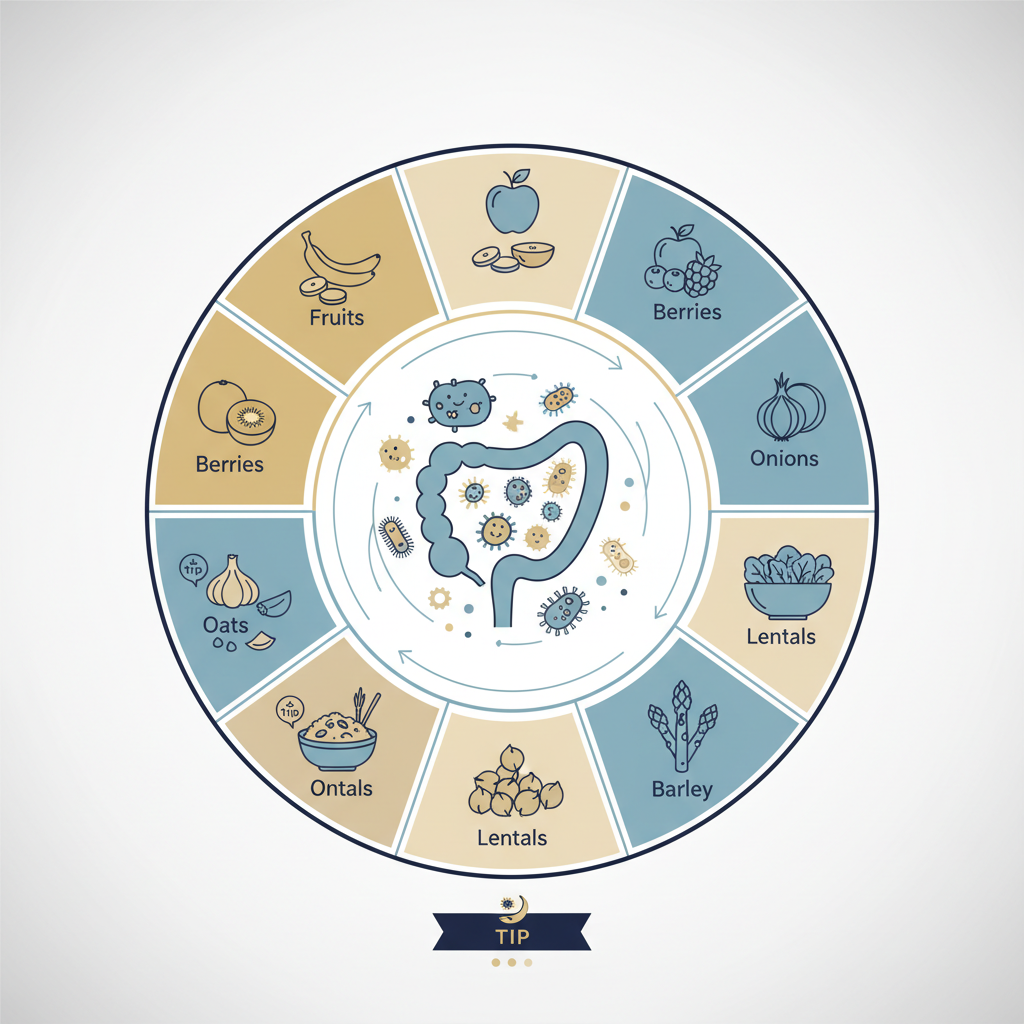
12 best prebiotic foods for gut health: garlic, onion, asparagus, artichoke, whole oats, green banana (resistant starch), cooled potatoes/rice, legumes, barley, chicory/yacon, Jerusalem artichoke, and nuts. Start with small portions (5–10 g fermentable fiber/day), increase slowly, and mix with fermented foods for best tolerance and effect.
12 Best Prebiotic Foods for Gut Health — What to Eat Daily, Portions, and Simple Meal Ideas
Why prebiotic foods matter
Prebiotics are non-digestible food components that reach the colon where they are fermented by gut microbes, stimulating growth and activity of beneficial bacteria such as Bifidobacteria and Lactobacillus. Fermentation produces short-chain fatty acids (SCFAs) like butyrate, acetate and propionate which are associated in research with gut barrier support and immune signalling. Word of caution: language is careful—these foods may support gut health and are associated with beneficial microbial shifts, not a cure for disease. Major reviews and institutions (PubMed, Harvard, Mayo Clinic) summarize this evidence.
The 12 best prebiotic foods — quick reference table
| Food | Prebiotic Type | Suggested Daily Portion | Quick Meal Idea |
|---|---|---|---|
| Garlic (raw or cooked) | Fructans / FOS | 1 clove (≈2–3 g) | Garlic yogurt sauce for salads or roasted vegetables |
| Onion (red/white/green) | Fructans | ¼–½ cup | Grilled onions in sandwiches or salads |
| Asparagus | Inulin / fructans | 4–6 spears | Roasted asparagus with olive oil |
| Globe artichoke | Inulin / fructans | ½–1 medium artichoke | Steamed artichoke with lemon |
| Whole oats / whole grains | β-glucan, resistant fractions | ½–1 cup cooked | Overnight oats with fruit and nuts |
| Green (unripe) banana | Resistant starch | ½ small green banana | Blended into smoothies |
| Cooled potatoes or rice | Resistant starch (after cooling) | ½ cup cold | Cold potato salad or rice in grain bowls |
| Legumes (lentils, chickpeas, beans) | Fermentable fibers / oligosaccharides | ½–1 cup cooked | Lentil soup, hummus |
| Barley / whole wheat | Soluble fiber / fermentable fractions | ½–1 cup cooked | Barley salad |
| Chicory / yacon root | Inulin | 1–2 tbsp extract or ¼ cup chopped | Sliced in salads or used as natural sweetener |
| Jerusalem artichoke | High inulin | ¼–½ cup | Roasted or added to soups |
| Nuts & seeds (walnuts, almonds) | Fiber & polyphenols | 1–2 tbsp | Topping for salads/oatmeal |
Note: Portions are practical starting points; individual tolerance varies. Increase over 2–4 weeks to allow microbiota and digestion to adapt.
How to start — a practical 7-day approach
- Day 1–3: Add a small serving of one prebiotic food daily (e.g., 1 clove garlic in sauce + ½ cup oats in morning).
- Day 4–7: Add a second source (e.g., ½ cup cooked lentils at lunch); watch for gas or bloating.
- Weeks 2–4: Gradually increase to suggested portions and include fermented foods like yogurt, kefir or kimchi for complementary probiotic input.
Simple meal ideas
- Breakfast: Overnight oats with cooled mashed green banana and walnuts.
- Lunch: Barley salad with roasted onion, artichoke hearts, chickpeas and a yogurt-based dressing.
- Dinner: Grilled fish, roasted asparagus, and a cold potato salad (cooled potatoes = resistant starch).
- Snack: Hummus (chickpeas + garlic) with raw veg or whole-grain crackers.
Clinical experience & practical notes
Dietitians commonly start with one new prebiotic source at a time and pair it with fermented foods to improve tolerance. In outpatient practice, patients who shifted from a low-fiber, ultra-processed diet to a varied high-fiber pattern reported improved bowel regularity and reduced bloating over 4–12 weeks. Gradual escalation and adequate hydration are key.
Myth vs Fact
| Myth | Fact |
|---|---|
| All fiber is a prebiotic. | No — only certain fermentable fibers (inulin, FOS, resistant starch, GOS) show clear prebiotic activity. |
| More prebiotic = always better. | Starting low and increasing slowly reduces side effects; very high doses can cause discomfort. |
Expert tips
- Rotate sources: combine a vegetable (asparagus) + a grain (oats) + a legume across the day.
- Cook then cool starchy foods to increase resistant starch (cook rice/potatoes, chill for a few hours).
- Soak/cook legumes well and rinse canned beans to reduce fermentable sugars that cause excessive gas.
- Include fermented foods (yogurt, kefir, sauerkraut) for synbiotic effects.
People Also Ask
Can prebiotic foods cause gas?
Yes—common early effects include gas and bloating. They usually diminish over 1–4 weeks if intake increases gradually and portion sizes are managed.
Are prebiotic supplements necessary?
Not usually; many people can meet needs with a varied diet. Supplements can be helpful when dietary intake is insufficient or for targeted therapy under guidance.
When to see a clinician
If you develop severe abdominal pain, unexplained weight loss, blood in stool, or persistent severe symptoms after dietary changes, seek medical evaluation.
Selected scientific references
- Gibson GR, et al. Probiotics and prebiotics in intestinal health and disease: from biology to the clinic. Nat Rev Gastroenterol Hepatol. 2019. (PMID: 31296969).
- Mulder I, et al. Resistant starch: impact on the gut microbiome and health. Curr Opin Biotechnol. 2019. (PMID: 31765963).
- Vanegas SM, et al. Effects of a wholegrain-rich diet on colonic fermentation and bowel function: randomized cross-over trial. 2023. (PMCID: PMC10267323).
- Hughes R, et al. Whole-grain wheat breakfast cereal has a prebiotic effect on the human gut microbiota. 2007. (PMID: 17761020).
- Harvard Health Publishing. How to feed your gut. Harvard Health.
- Harvard T.H. Chan School — The Nutrition Source: Probiotics and Fiber.
- Mayo Clinic. Probiotics and prebiotics: What you should know. Mayo Clinic.
- Zhao S, et al. Prebiotic potential of onion extracts. 2024. (PMID: 39714164).
- Zheng X, et al. In vitro prebiotic properties of garlic polysaccharides. Front Nutr. 2021. (PMCID: PMC8695971).
- Li C, et al. Inulin from Jerusalem artichoke: effects on gut microbiota. 2019–2022. (PMID: 31915077).
Further reading (internal links)
Ready to Transform Your Health Sustainably?
Connect with Feras Alayed - Therapeutic & Behavioral Nutrition Specialist - for a free health assessment and personalized wellness plan.
Learn more about Gut Health | Business Opportunities
النقاط الرئيسية
- تناول مجموعة متنوعة من الأطعمة الغنية بالألياف القابلة للتخمّر (الفركتان، النشأ المقاوم، الأوليغوسكاريدات) يدعم بكتيريا الأمعاء المفيدة.
- 12 غذاءً مسبِّباً (prebiotic) واضحين يشملون الثوم والبصل والهليون والخرشوف ويَحتوون على إنولين/فركتانات أو نشأ مقاوم.
- الكمية اليومية المُوصى بها تعتمد على التحمل الفردي: ابدأ بــ5–10 غرامات من الألياف القابلة للتخمّر يومياً، وزِد تدريجياً إلى 15–30 غراماً إذا لزم.
- التدرج والخلط مع البروبيوتيك/المخمَّرات يعزّز الفائدة ويقلل الأعراض (غازات/انتفاخ).
- الأدلة العلمية تدعم أن الأطعمة المسبّبة قد تدعم إنتاج الأحماض الدهنية قصيرة السلسلة المرتبطة بصحة القولون والجهاز المناعي.
TL;DR
12 من أفضل الأطعمة المسبِّبة لصحة الأمعاء: الثوم، البصل، الهليون، الخرشوف، الأرز والشوفان الكامل، الموز الأخضر (نشأ مقاوم)، البطاطا المبردة، البقوليات، الشعير، الهندباء (yacon/chicory)، الجيرسالم أرتيشوك، والجوز/المكسرات. ابدأ بكميات صغيرة (5–10 غرام/يوم) وزِد تدريجياً. امزجها في وجبات بسيطة مثل سلطات، شوربات، دقيق الشوفان المبرد، وساندويتشات الحمص.
12 من أفضل الأطعمة المسبِّبة لصحة الأمعاء — ماذا تأكل يومياً، الأحجام، وأفكار وجبات بسيطة
الكلمة المفتاحية: best prebiotic foods for gut health
لماذا نهتم بالأطعمة المسبِّبة (prebiotic)؟
الأطعمة المسبِّبة هي أجزاء من الغذاء لا يستطيع الجسم هضمها في الأمعاء الدقيقة، لكنها تغذِّي الميكروبيوم في القولون وتُحفِّز نمو أنواع بكتيرية مفيدة مثل البفيدوباكتيريا واللاكتوباسيلس. تخمّر هذه الألياف ينتج أحماضاً دهنية قصيرة السلسلة (SCFAs) التي ارتبطت بتحسين صحة الأمعاء وتنظيم الجهاز المناعي. مع ذلك، لا ندّعي شفاء أو علاج — بل قد تدعم هذه الأطعمة الصحة المعوية عند استبدالها بأطعمة مصنّعة غنية بالسكر والدهون المشبعة. المصادر العلمية: مراجعات ومقالات من PubMed وHarvard وMayo Clinic.
الـ12: قائمة الأطعمة المسبِّبة الأفضل مع النوع والكمية اليومية المقترحة
| الطعام | نموذج المركب المسبّب | حصة يومية مقترحة | فكرة وجبة سريعة |
|---|---|---|---|
| ثوم (خام/مضاف) | فركتانات/ألياف قابلة للتخمّر | 1 فصّ صغير أو 2–3 غرام | صلصة زبادي بالثوم مع سلطة خضراء |
| بصل (أحمر/أبيض/أخضر) | فركتانات | ¼–½ كوب مطبوخ أو نيئ | قلي خفيف مع البروتين أو سلطة |
| هليون | إنولين/فركتانات | 4–6 سيقان | مشوي مع قطرات زيت زيتون |
| خرشوف (artichoke) | إنولين/فركتانات | ½–1 ثمرة متوسطة | مضاف للسلطة أو مشوي |
| الشوفان الكامل/الحبوب الكاملة | β-glucan/نشأ مقاوم جزئياً | ½–1 كوب مطبوخ | دقيق الشوفان مع فواكه ومكسرات |
| موز أخضر (نشأ مقاوم) | نشأ مقاوم | ½ موزة خضراء أو مهروس | مخفوق صباحي أو مضاف للزبادي |
| بطاطا/أرز مسلوق ثم مُبرَّد | نشأ مقاوم (بعد التبريد) | ½ كوب بارد | سلطة بطاطا باردة أو أرز بارد في سلطة |
| بقوليات (عدس، حمص، فاصوليا) | ألياف قابلة للتخمّر/أوليجوسكاريدات | ½–1 كوب مطبوخ | شوربة عدس، حمص مهروس/ساندويتش |
| شعير/قمح كامل | ألياف قابلة للتخمّر/β-glucan | ½–1 كوب طحين/حبوب | خبز من الحبوب الكاملة/سلطة شعير |
| الهندباء أو جذور الشيكوريا (yacon, chicory) | إنولين وفركتانات | 1–2 ملعقة طعام من مستخلص أو ¼ كوب مقطع | شرائح مع السلطة أو كمُحلي طبيعي |
| خرشوف القدس (Jerusalem artichoke) | إنولين عالي | ¼–½ كوب | مُشوي إلى جانب البروتين أو مهروس |
| بذور/مكسرات (الجوز، اللوز) | ألياف غير قابلة للهضم/مركبات مفيدة | 1–2 ملعقة طعام | مضاف للسلطة/الشوفان |
ملاحظة: الحصص مقترحة كبداية. قد تحتاج لخفض أو رفع الكمية حسب تحمّل الغازات أو الانتفاخ—زِد تدريجياً على مدى 2–4 أسابيع.
كيفية البدء (خطة 7 أيام للدمج اليومي)
- الأسبوع 1: أضف 1–2 نوع من الأطعمة المسببة يومياً بكمية صغيرة (مثلاً 1 فص ثوم، ½ كوب شوفان).
- الأسبوع 2: زِد الكميات إلى الحصة المقترحة وتابع الأعراض.
- الأسبوع 3–4: أضف مزيجاً متنوّعاً (بقول + حبوب + خضار مِسبِّبة) وادمج مخمّرات مثل الزبادي أو الكيمتشي لتعزيز التوازن.
أفكار وجبات يومية بسيطة
- فطور: دقيق شوفان مطبوخ (½ كوب) مع موز أخضر مهروس وملعقة مكسرات.
- غداء: سلطة شعير مع بصل أحمر مشوي، خرشوف، حمص ومزيج خضار.
- عشاء: سمك مشوي + هليون محمّر + بطاطا مُسَلوقة ثم باردة في سلطة.
- سناك: شريحة خبز حبوب كاملة مع حمص وثوم محمص.
الفرق بين البروبايوتكس والـPrebiotics
البروبايوتكس هي بكتيريا حية (مثلاً الزبادي المخمر)، بينما الـprebiotics هي الغذاء الذي يُغذّي تلك البكتيريا. أفضل النتائج تأتي من الجمع بين الاثنين (مصادر غذائية ومتنوعة بدلاً من الاعتماد فقط على المكملات). هذه التوصية مدعومة من مصادر مثل Harvard وMayo Clinic.
Myth vs Fact (خرافة مقابل حقيقة)
| الخرافة | الحقيقة |
|---|---|
| كل الألياف هي مسبِّبة. | ليست كل الألياف لها تأثير مسبّب؛ بعض الألياف تُساعد في التكتُّل فقط، بينما الفركتان والإنولين والـresistant starch لديها نشاط مسبّب معروف. |
| كل شخص يحتاج نفس الكمية من الأطعمة المسبّبة. | التحمّل يختلف؛ ابدأ ببطء وزِد تدريجياً لتقليل الأعراض المعوية. |
نصائح من الخبراء (Clinical experience)
في الممارسة السريرية، يتمثل نهج اختصاصي التغذية في: 1) تقييم النظام الغذائي الحالي، 2) إدخال نوع مسبّب واحد لمدة 5–7 أيام، 3) مراقبة الأعراض، 4) دمج مخمرات غذائية (زبادي طبيعي، كيمتشي) لتحسين التوافق. مريضان لديّ شعرا بتحسن في انتظام الأمعاء بعد 4 أسابيع من زيادة الألياف المسبّبة مع تقليل الأطعمة المصنعة.
نصائح عملية لتقليل الغازات والانتفاخ
- زيد الكميات تدريجياً على 2–4 أسابيع.
- اطبخ البقول جيداً واستعمل نقع مسبق لتقليل الغاز.
- امزج بين مصادر مختلفة (حبة + بروبيوتيك) ولا تتناول كميات كبيرة مرة واحدة.
People Also Ask
هل يجب أن أتناول مكملات إنولين بدلاً من الأطعمة؟
يمكن أن تكون المكملات مفيدة في بعض الحالات، لكنها ليست بديلاً عن النظام الغذائي المتوازن؛ الأطعمة الكاملة تقدّم مغذيات إضافية ومركبات نباتية قد تدعم صحة الأمعاء. النُّهج الغذائي طويل الأمد يفضّل دائماً.
كم من الوقت ليظهر تأثير الأطعمة المسببة؟
بعض التغيّرات في البكتيريا يمكن ملاحظتها خلال أيام إلى أسابيع، لكن التأثيرات السريرية على الأعراض قد تستغرق 3–12 أسبوعاً حسب النمط الغذائي والاختلافات الفردية.
الآثار الجانبية ومتى تستشير الطبيب
الآثار الجانبية الشائعة: غازات، تقلصات، نفخة مؤقتة. استشر طبيبك إذا ظهرت أعراض حادة، ألم شديد، نزيف شرجي، أو فقدان وزن غير مبرر.
روابط داخلية لقراءة أكثر
- استراتيجية نمو الأعمال الصحية على وسائل التواصل (2026)
- تغيرات إرشادات التغذية DGE 2026
- الالتهاب المزمن وجذور الأمراض
- الصيام المتقطع: أدلة ألمانية حديثة
- إعادة ضبط الإيقاع اليومي خلال 3 أيام
- 5 مصادر دخل من عمل صحي واحد
- الصيام المتقطع: دراسات المملكة المتحدة 2026
- دليل النظام المضاد للالتهاب (كندا)
- معلومات عن داء السكري من النوع الثاني (UK)
- الكبد الدهني عند النحيفين: خطة 6 أسابيع
مراجع (منتقاة من PubMed/Harvard/Mayo)
- Gibson GR, et al. Probiotics and prebiotics in intestinal health and disease: from biology to the clinic. Nat Rev Gastroenterol Hepatol. 2019; (PMID: 31296969).
- Mulder I, et al. Resistant starch: impact on the gut microbiome and health. Curr Opin Biotechnol. 2019; (PMID: 31765963).
- Vanegas SM, et al. Effects of a wholegrain-rich diet on markers of colonic fermentation and bowel function: randomized controlled cross-over trial. 2023. (PMCID: PMC10267323).
- Hughes R, et al. Whole-grain wheat breakfast cereal has a prebiotic effect on the human gut microbiota: double-blind crossover. 2007 (PMID: 17761020).
- Harvard Health Publishing. How to feed your gut. Harvard Health; 2025.
- Harvard T.H. Chan School — The Nutrition Source: Probiotics and Fiber.
- Mayo Clinic. Probiotics and prebiotics: What you should know. Mayo Clinic; 2025.
- Zhao S, et al. The prebiotic potential of dietary onion extracts. 2024 (PMID: 39714164).
- Zheng X, et al. In vitro prebiotic properties of garlic polysaccharides. Front Nutr. 2021; (PMCID: PMC8695971).
- Li C, et al. Inulin from Jerusalem artichoke: effects on gut microbiota. 2019–2022 (PMID: 31915077).
راجع هذه الدراسات للحصول على معلومات عميقة حول أنواع الألياف المسبِّبة وتأثيراتها على ميكروبيوم الأمعاء.
أسئلة شائعة
ما الفرق بين إنولين وفركتوأوليجوسكاريدات؟
كلاهما مجموعات فركتانية؛ إنولين أطول سلاسل، بينما FOS أقصر، وكلتاهما قد تغذّيان أنواعاً مفيدة من البكتيريا.
هل الأطعمة المسببة آمنة للحامل؟
غالباً آمنة إذا تناولت باعتدال. تحدث مع مقدم الرعاية قبل تغييرات كبيرة في النظام الغذائي أثناء الحمل.
هل يمكن الاعتماد على المكملات وحدها؟
المكملات قد تساعد، لكن الأطعمة الكاملة تضيف مغذيات ومركبات فِيتوكيماوية إضافية. الأفضل تنويع المصادر الغذائية.
كم ينبغي أن تكون كمية الألياف اليومية الإجمالية؟
التوصيات العامة للألياف الإجمالية تتراوح بين 25–38 غرام يومياً للبالغين؛ اجعل جزءاً منها قابل للتخمّر من مصادر مسببة.
هل تريد تحسين صحتك بشكل مستدام؟
تواصل مع فراس العايد - أخصائي التغذية العلاجية والسلوكية - للحصول على تقييم صحي مجاني وخطة مخصصة لك.
اقرأ المزيد عن صحة الأمعاء | فرص الاستثمار
Frequently Asked Questions
How much prebiotic fiber should I eat daily?
Start with small servings (5–10 g fermentable fiber/day) and increase gradually to 15–30 g as tolerated. Pair with fermented foods for best tolerance.
Will prebiotic foods cause gas?
Yes—common early effects include gas and bloating. These often improve over 1–4 weeks if you increase intake slowly and stay hydrated.
Should I eat probiotics and prebiotics together?
Both. Fermented foods (probiotics) add live bacteria; prebiotics feed those bacteria. Combining both often gives better outcomes.
Are prebiotic supplements necessary?
Start with food sources first. Supplements can help when diet is insufficient or in clinical contexts, but they are not regulated like medications.
How can I increase resistant starch in meals?
Cooking then cooling starchy foods (rice, potatoes) increases resistant starch. Also soak/cook legumes well and add small servings of inulin-containing vegetables like asparagus or chicory.
Are prebiotic foods safe for everyone?
Most healthy adults can safely eat prebiotic foods. If pregnant, have severe GI disease, or immunocompromise, check with your clinician before big diet changes.
How long before I see benefits?
Expect some microbiome shifts in days; clinical symptom improvements often take weeks. Individual response varies widely.
When should I see a doctor?
See a clinician if you have severe abdominal pain, blood in stool, unexplained weight loss, or persistent severe symptoms after dietary changes.