Fatty liver in thin people: causes, tests & a 6‑week plan
الكبد الدهني عند النحيفين: أسباب، فحوص وخطة عملية 6 أسابيع
Author: Feras Alayed - Therapeutic & Behavioral Nutrition Specialist
Published:
Updated:
Category: fatty-liver
Reading Time: 9 minutes
Key Takeaways
- Fatty liver can occur in normal‑weight or thin adults — often called "lean NAFLD" (fatty liver in thin people).
- Causes are multifactorial: genetics (e.g., PNPLA3), altered fat distribution, localized insulin resistance, high‑fructose/carbohydrate diets, and gut microbiome differences.
- Ask for targeted tests: liver enzymes (ALT/AST/GGT), metabolic panel (glucose, lipids, fasting insulin), imaging (ultrasound, FibroScan or MRI‑PDFF), and fibrosis scores (FIB‑4, NAFLD Fibrosis Score).
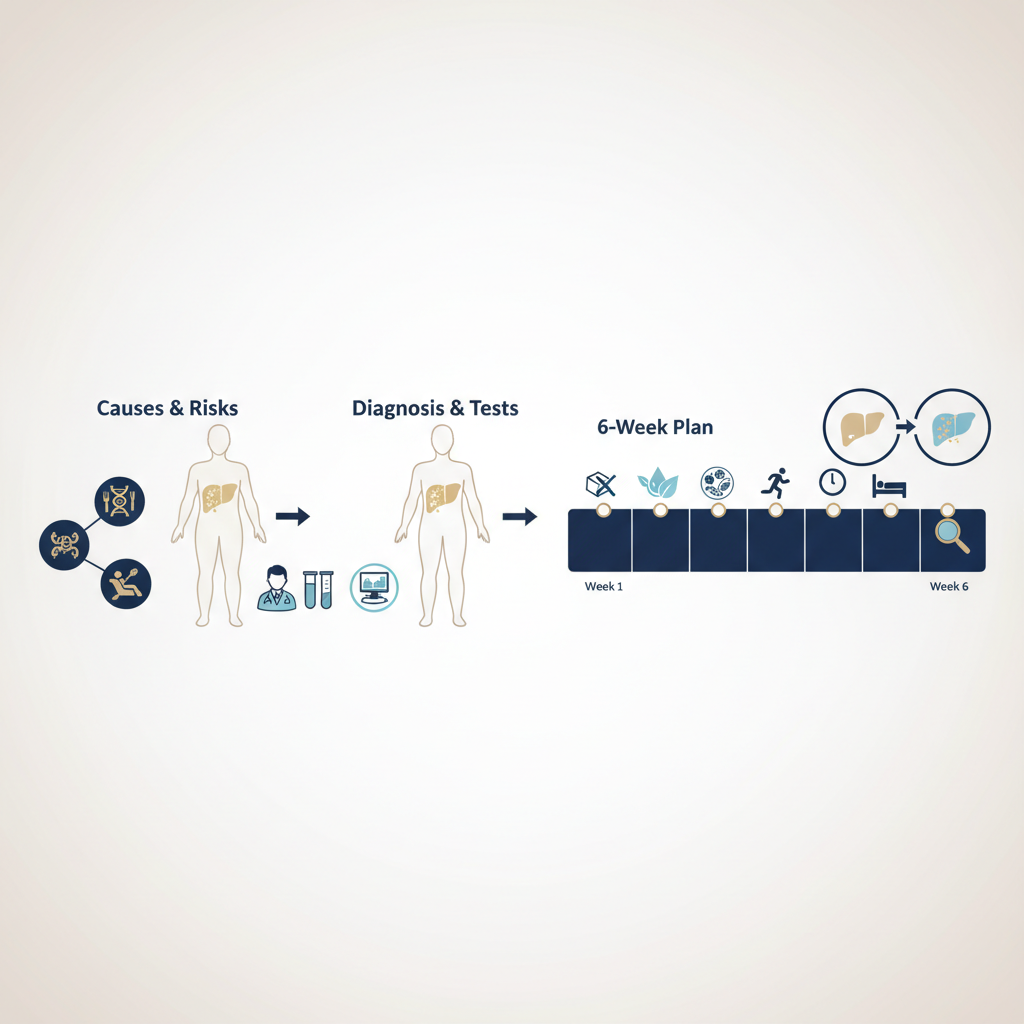
- A practical 6‑week plan focusing on a Mediterranean‑style diet low in added sugars, combined aerobic and resistance exercise, alcohol reduction, and improved sleep/stress management may help lower liver fat in many normal‑weight adults.
- Refer to a liver specialist if persistent enzyme abnormalities, elevated fibrosis scores, or clinical signs of advanced liver disease are present.
TL;DR
Fatty liver is not limited to people with obesity. Thin adults can develop hepatic steatosis due to genetics, metabolic dysfunction, diet, or microbiome differences. Request baseline bloodwork and imaging (ALT/AST, FibroScan or ultrasound, glucose/lipids) and try a 6‑week lifestyle plan emphasizing Mediterranean nutrition, reduced added sugars, and combined exercise. Refer to hepatology when fibrosis is suspected or tests are persistently abnormal.
Fatty liver in thin people: causes, tests, and a practical 6‑week plan for normal‑weight adults
Many clinicians and patients assume fatty liver disease (previously NAFLD, now often discussed within the MAFLD framework) only affects people with overweight or obesity. However, a recognized subset of patients develops hepatic steatosis despite a normal BMI — commonly labelled "lean NAFLD". This article summarizes causes, recommended tests, and an evidence‑based, practical 6‑week plan aimed at reducing liver fat in normal‑weight adults, with guidance on when to seek specialist care. ([pmc.ncbi.nlm.nih.gov](https://pmc.ncbi.nlm.nih.gov/articles/PMC7001558/?utm_source=openai))
Who counts as "lean"?
Definitions vary: BMI 18.5–24.9 is typically considered normal in Western populations; lower cutoffs (e.g., <23) are used for some Asian populations due to higher metabolic risk at lower BMI. Studies report lean NAFLD prevalence ranging from about 3% to higher in selected cohorts. Understanding the BMI context is important when interpreting research and clinical risk. ([pmc.ncbi.nlm.nih.gov](https://pmc.ncbi.nlm.nih.gov/articles/PMC7327210/?utm_source=openai))
Mechanisms and causes
Lean NAFLD arises from several, often overlapping mechanisms:
- Genetic predisposition: Variants such as PNPLA3 and TM6SF2 increase liver fat independent of BMI. Genetic and epigenetic factors can explain susceptibility in some thin individuals. ([pubmed.ncbi.nlm.nih.gov](https://pubmed.ncbi.nlm.nih.gov/38317742/?utm_source=openai))
- Altered fat storage/distribution: Reduced subcutaneous fat storage capacity or lipodystrophy‑like states can redirect lipids to the liver. ([pmc.ncbi.nlm.nih.gov](https://pmc.ncbi.nlm.nih.gov/articles/PMC7001558/?utm_source=openai))
- Metabolic dysfunction: Low‑grade insulin resistance, dyslipidaemia, or altered adipokine profiles may be present even with normal weight. ([pmc.ncbi.nlm.nih.gov](https://pmc.ncbi.nlm.nih.gov/articles/PMC9817050/?utm_source=openai))
- Dietary drivers: Excess dietary fructose and refined carbohydrates promote hepatic de novo lipogenesis and can raise liver fat without major weight gain. ([pmc.ncbi.nlm.nih.gov](https://pmc.ncbi.nlm.nih.gov/articles/PMC7001558/?utm_source=openai))
- Gut microbiome and inflammation: Microbiome alterations and increased gut permeability have been implicated in fatty liver pathogenesis across BMI categories. ([pmc.ncbi.nlm.nih.gov](https://pmc.ncbi.nlm.nih.gov/articles/PMC8533092/?utm_source=openai))
- Secondary causes: Alcohol intake, certain medications, chronic viral hepatitis, and rare metabolic disorders must be excluded. ([pmc.ncbi.nlm.nih.gov](https://pmc.ncbi.nlm.nih.gov/articles/PMC13246021/))
Clinical features
Lean NAFLD is often asymptomatic and discovered incidentally by elevated liver enzymes or imaging. Progression to NASH and fibrosis can occur, so early identification and risk stratification are important. ([pmc.ncbi.nlm.nih.gov](https://pmc.ncbi.nlm.nih.gov/articles/PMC8533092/?utm_source=openai))
What tests should you ask for?
Initial and targeted tests include:
- Bloods: ALT, AST, GGT, albumin, INR when indicated. Routine metabolic labs: fasting glucose, HbA1c, fasting lipids, and fasting insulin or HOMA‑IR if available. ([aasld.org](https://www.aasld.org/sites/default/files/2022-06/NAFLD%20Guidance%202018.pdf?utm_source=openai))
- Imaging: Abdominal ultrasound as first‑line imaging. If you need quantitative liver fat or fibrosis assessment: FibroScan (CAP + LSM) or MRI‑PDFF. ([pmc.ncbi.nlm.nih.gov](https://pmc.ncbi.nlm.nih.gov/articles/PMC5606968/?utm_source=openai))
- Fibrosis assessment: Noninvasive scores (FIB‑4, NAFLD Fibrosis Score) help stratify risk; refer to hepatology if scores suggest significant fibrosis. ([aasld.org](https://www.aasld.org/sites/default/files/2022-06/NAFLD%20Guidance%202018.pdf?utm_source=openai))
- Liver biopsy: Reserved when noninvasive tests are inconclusive or when confirmation of NASH/stage of fibrosis will change management. ([aasld.org](https://www.aasld.org/sites/default/files/2022-06/NAFLD%20Guidance%202018.pdf?utm_source=openai))
A practical, evidence‑based 6‑week plan
Goals: reduce hepatic triglyceride content, improve insulin sensitivity, and lower cardiometabolic risk. Individual responses vary and no single intervention is universally curative — use these as a starting framework. ([pmc.ncbi.nlm.nih.gov](https://pmc.ncbi.nlm.nih.gov/articles/PMC9817050/?utm_source=openai))
Core principles for the 6 weeks
- Adopt a Mediterranean‑style dietary pattern: emphasize vegetables, whole grains, legumes, fatty fish, olive oil, nuts; reduce red/processed meat and refined carbohydrates. Evidence links this pattern with lower liver fat. ([pmc.ncbi.nlm.nih.gov](https://pmc.ncbi.nlm.nih.gov/articles/PMC9817050/?utm_source=openai))
- Eliminate or markedly reduce sugar‑sweetened beverages and added sugars — particularly fructose sources. ([pmc.ncbi.nlm.nih.gov](https://pmc.ncbi.nlm.nih.gov/articles/PMC7001558/?utm_source=openai))
- Exercise: aim for combined aerobic (≈150 min/week moderate) and resistance training (≥2 sessions/week). Exercise reduces liver fat even without major weight loss. ([pmc.ncbi.nlm.nih.gov](https://pmc.ncbi.nlm.nih.gov/articles/PMC8533092/?utm_source=openai))
- Alcohol moderation or temporary abstinence during the intervention period. ([mayoclinic.org](https://www.mayoclinic.org/diseases-conditions/fatty-liver-disease-masld/symptoms-causes/syc-20354567?p=1&utm_source=openai))
- Optimize sleep and stress management (sleep hygiene, CBT‑based relaxation, mindfulness), as sleep disruption links to metabolic dysfunction. ([pmc.ncbi.nlm.nih.gov](https://pmc.ncbi.nlm.nih.gov/articles/PMC8533092/?utm_source=openai))
Week‑by‑week outline
Weeks 1–2: Baseline assessment and small, achievable changes
- Obtain baseline labs and imaging as indicated (ALT/AST, HbA1c, lipids, ultrasound or FibroScan). ([aasld.org](https://www.aasld.org/sites/default/files/2022-06/NAFLD%20Guidance%202018.pdf?utm_source=openai))
- Replace sugary drinks with water; focus meals on vegetables and lean protein; 30 minutes daily brisk walking or equivalent.
Weeks 3–4: Intensify and standardize habits
- Introduce resistance training twice weekly; prioritize whole foods; limit refined carbs and added sugar to minimal amounts.
- Monitor sleep (target 7–9 hours) and reduce late‑night eating.
Weeks 5–6: Consolidate and reassess
- Continue dietary pattern and exercise; repeat blood tests (ALT/AST, metabolic panel) and reassess symptoms.
- If no improvement or if fibrosis risk is indicated by scores or FibroScan, refer to hepatology for further evaluation. ([aasld.org](https://www.aasld.org/sites/default/files/2022-06/NAFLD%20Guidance%202018.pdf?utm_source=openai))
When to see a specialist
Refer to hepatology or gastroenterology when:
- Persistent elevation of ALT/AST over 3–6 months. ([aasld.org](https://www.aasld.org/sites/default/files/2022-06/NAFLD%20Guidance%202018.pdf?utm_source=openai))
- Noninvasive fibrosis tests (FIB‑4, FibroScan) suggest significant fibrosis. ([pmc.ncbi.nlm.nih.gov](https://pmc.ncbi.nlm.nih.gov/articles/PMC10794266/?utm_source=openai))
- Clinical signs of advanced liver disease (jaundice, ascites, variceal bleeding) or unexplained weight loss.
Myth vs Fact
| Myth | Fact |
|---|---|
| "Only people with obesity get fatty liver." | False — lean NAFLD is well‑described and may be driven by genetics, diet, and fat distribution differences. ([pmc.ncbi.nlm.nih.gov](https://pmc.ncbi.nlm.nih.gov/articles/PMC7001558/?utm_source=openai)) |
| "If I'm thin, I don't need testing." | Not true — abnormal liver tests or risk factors warrant assessment even in normal‑weight individuals. ([pmc.ncbi.nlm.nih.gov](https://pmc.ncbi.nlm.nih.gov/articles/PMC5606968/?utm_source=openai)) |
Expert tips
- Use noninvasive fibrosis scores as a first step — they're inexpensive and guide referral decisions. ([aasld.org](https://www.aasld.org/sites/default/files/2022-06/NAFLD%20Guidance%202018.pdf?utm_source=openai))
- Document alcohol intake quantitatively and review medications that may contribute to steatosis. ([pmc.ncbi.nlm.nih.gov](https://pmc.ncbi.nlm.nih.gov/articles/PMC13246021/))
- Consider genetic testing or specialist referral if standard evaluation fails to explain significant steatosis. ([pubmed.ncbi.nlm.nih.gov](https://pubmed.ncbi.nlm.nih.gov/38317742/?utm_source=openai))
People Also Ask
Can exercise alone reduce liver fat in thin people?
Short answer: Yes, exercise can reduce liver fat even without major weight loss. Combining aerobic and resistance training tends to produce better results. Details: multiple trials and meta‑analyses show exercise reduces intrahepatic triglyceride content independently of weight change. ([pmc.ncbi.nlm.nih.gov](https://pmc.ncbi.nlm.nih.gov/articles/PMC8533092/?utm_source=openai))
Should thin people with fatty liver lose weight?
Weight loss is beneficial when excess adiposity exists, but for lean individuals the focus is on body composition, diet quality, and metabolic health rather than aggressive weight loss. Sometimes modest gain of lean mass with loss of visceral fat is ideal. ([pmc.ncbi.nlm.nih.gov](https://pmc.ncbi.nlm.nih.gov/articles/PMC9817050/?utm_source=openai))
Is lean NAFLD common?
Prevalence estimates vary by region and diagnostic method; systematic reviews report prevalence figures in the low single digits in many populations but higher in select cohorts. ([pmc.ncbi.nlm.nih.gov](https://pmc.ncbi.nlm.nih.gov/articles/PMC7327210/?utm_source=openai))
Are supplements effective?
Some supplements (e.g., omega‑3 fatty acids) show modest benefits on liver fat, and vitamin E has shown effect in certain NASH trials for non‑diabetic patients; consult your clinician before starting supplements. ([pmc.ncbi.nlm.nih.gov](https://pmc.ncbi.nlm.nih.gov/articles/PMC9817050/?utm_source=openai))
When is biopsy needed?
Biopsy is reserved for cases with diagnostic uncertainty, suspected advanced disease, or when histology will change management. Noninvasive tests reduce the need for routine biopsy. ([aasld.org](https://www.aasld.org/sites/default/files/2022-06/NAFLD%20Guidance%202018.pdf?utm_source=openai))
Selected references
- Non‑alcoholic Fatty Liver Disease in Lean Individuals — narrative and systematic reviews. ([pmc.ncbi.nlm.nih.gov](https://pmc.ncbi.nlm.nih.gov/articles/PMC7001558/?utm_source=openai))
- Comprehensive review on lean vs obese NAFLD, prevalence, pathogenesis, outcomes. ([pmc.ncbi.nlm.nih.gov](https://pmc.ncbi.nlm.nih.gov/articles/PMC9817050/?utm_source=openai))
- Prevalence and profile of NAFLD in lean adults — systematic review & meta‑analysis. ([pmc.ncbi.nlm.nih.gov](https://pmc.ncbi.nlm.nih.gov/articles/PMC7327210/?utm_source=openai))
- Non‑obese NAFLD review and clinical implications. ([pmc.ncbi.nlm.nih.gov](https://pmc.ncbi.nlm.nih.gov/articles/PMC5606968/?utm_source=openai))
- Genetic and epigenetic determinants of NAFLD in lean individuals. ([pubmed.ncbi.nlm.nih.gov](https://pubmed.ncbi.nlm.nih.gov/38317742/?utm_source=openai))
- Unique genetic features and clinical implications of lean NAFLD. ([pmc.ncbi.nlm.nih.gov](https://pmc.ncbi.nlm.nih.gov/articles/PMC10794266/?utm_source=openai))
- AASLD Practice Guidance: Diagnosis and Management of NAFLD. ([aasld.org](https://www.aasld.org/sites/default/files/2022-06/NAFLD%20Guidance%202018.pdf?utm_source=openai))
- Mayo Clinic patient and clinician resources on fatty liver. ([mayoclinic.org](https://www.mayoclinic.org/diseases-conditions/fatty-liver-disease-masld/symptoms-causes/syc-20354567?p=1&utm_source=openai))
- Provided PMC article (user source). ([pmc.ncbi.nlm.nih.gov](https://pmc.ncbi.nlm.nih.gov/articles/PMC13246021/))
Internal links: Unicity compensation plan explained, A1c levels and normal ranges, Ozempic alternatives, Gut microbiome and health, How to test insulin resistance at home, Health business from home, Hawker centre healthy eating, Cardiovascular risk factors, Gut health research 2026, Foods high in spermidine.
Final note
If you are a normal‑weight adult diagnosed with fatty liver, take heart: many effective lifestyle strategies exist and early evaluation reduces risk of progression. Work with your clinician to personalize testing and the 6‑week plan, and escalate care if fibrosis or persistent abnormalities are identified. ([pmc.ncbi.nlm.nih.gov](https://pmc.ncbi.nlm.nih.gov/articles/PMC9817050/?utm_source=openai))

Ready to Transform Your Health Sustainably?
Connect with Feras Alayed - Therapeutic & Behavioral Nutrition Specialist - for a free health assessment and personalized wellness plan.
Learn more about Fatty Liver | Business Opportunities
النقاط الرئيسية
- الكبد الدهني يمكن أن يحدث لدى أشخاص بوزن طبيعي أو نحيف — يُسمى ذلك "lean NAFLD" أو "الكبد الدهني عند النحيفين".
- الأسباب مختلطة: جينات، توزيعات دهنية غير طبيعية، مقاومة إنسولين موضعية، نمط حياة عالي الفركتوز/كربوهيدرات مكرر، وميكروبيوم أمعائي مختلف.
- الفحوص الأساسية التي تُطلب: إنزيمات كبدية (ALT/AST/GGT)، فحص سكر/إنسولين، صورة بطن بالأشعة فوق الصوتية أو FibroScan، وحسابات لمرحلة التليف (FIB‑4، NAFLD Fibrosis Score).
- خطة عملية مدتها 6 أسابيع تُركز على نظام غذائي متوسطي منخفض سكريات مضافة، تمارين هوائية ومقاومة منتظمة، تقليل الكحول والسكريات، وتحسين النوم والتوتر — خطوات قد تدعم خفض محتوى دهون الكبد.
- راجع أخصائي أمراض الكبد أو الجهاز الهضمي إذا كانت اختبارات التليف غير طبيعية، إنزيمات الكبد مرتفعة باستمرار، أو ظهور علامات تقدمية للمرض.
TL;DR
الكبد الدهني ليس حكراً على أصحاب الوزن الزائد؛ النحيفون قد يصابون أيضاً بسبب عوامل جينية وهرمونية وغذائية. اطلب فحوصاً موجّهة (ALT/AST، FibroScan، سكر وشحوم)، واتّبع خطة غذائية وتمارين منسقة لمدة 6 أسابيع للحد من دهون الكبد — راجع اختصاصي عند وجود دلائل تليف أو اختبارات غير طبيعية. المصادر العلمية الحديثة تدعم الفحص الشامل واستراتيجيات نمط الحياة كخطّ أول للإدارة.
الكبد الدهني عند النحيفين (fatty liver in thin people): الأسباب، الفحوص، وخطة 6 أسابيع عملية للبالغين طبيعيي الوزن
عندما نفكر في مرض الكبد الدهني عادةً ما نتصور أشخاصًا لديهم وزن زائد أو سمنة. لكن الدراسات المتزايدة تشير إلى مجموعة من المرضى الذين لديهم تراكم دهون في الكبد رغم وزنهم الطبيعي — ويطلق عليها "lean NAFLD" أو "الكبد الدهني عند النحيفين". هذا المقال يشرح الأسباب المحتملة، الفحوص التي يجب طلبها، ومخطط عملي ومبني على الأدلة لمدة 6 أسابيع يمكن أن يساعد البالغين ذوي الوزن الطبيعي على خفض دهون الكبد وتحسين عوامل الخطورة المرتبطة به.
ما الذي يعنيه "نحيف" هنا؟
تعريف "النحيف" يعتمد على مؤشر كتلة الجسم (BMI): بشكل عام BMI بين 18.5 و 24.9 يُعتبر وزنًا طبيعيًا في مجموعات سكانية غربية، بينما تُستخدم حدود أقل للسكان الآسيويين (مثلاً BMI <23 قد يعتبر "نحيفًا" أو منخفضًا نسبيًا). تعريفات الأبحاث عن "lean NAFLD" تختلف قليلاً، لكن الملاحظ أن أكثر من 3% من السكان قد يعانون منه في بعض الدراسات. ([pmc.ncbi.nlm.nih.gov](https://pmc.ncbi.nlm.nih.gov/articles/PMC7327210/?utm_source=openai))
لماذا يحدث الكبد الدهني عند النحيفين؟ (أسباب محتملة)
- عوامل جينية: متغيرات جينية مثل PNPLA3 وTM6SF2 مرتبطة بخطر تراكم الدهون في الكبد حتى عند وزن طبيعي. الجينات قد تفسّر لماذا بعض النحيفين لديهم دهون كبدية دون عوامل واضحة أخرى. ([pubmed.ncbi.nlm.nih.gov](https://pubmed.ncbi.nlm.nih.gov/38317742/?utm_source=openai))
- توزيع الدهون وشحوب الخلايا الدهنية: قد تكون لديهم قلة نسيج دهني تحت الجلد مع تجمع دهون حشوية أو أعمق، أو اضطراب في قدرة الأنسجة الشحمية على تخزين الدهون (نقص التوسّع الشحمي) مما يسبب تحويل الدهون إلى الكبد. ([pmc.ncbi.nlm.nih.gov](https://pmc.ncbi.nlm.nih.gov/articles/PMC7001558/?utm_source=openai))
- مقاومة الإنسولين وطنين التمثيل الغذائي: حتى عند وزن طبيعي، قد توجد مقاومة إنسولين منخفضة الدرجة أو اضطرابات تمثيل شحمي تُحفّز تراكم الليبيد في الكبد. ([pmc.ncbi.nlm.nih.gov](https://pmc.ncbi.nlm.nih.gov/articles/PMC9817050/?utm_source=openai))
- النظام الغذائي وسلوكيات الأيض: استهلاك عالي للفركتوز والسكريات المكررة والمشروبات المحلاة قد يزيد من دهون الكبد بغض النظر عن الوزن. ([pmc.ncbi.nlm.nih.gov](https://pmc.ncbi.nlm.nih.gov/articles/PMC7001558/?utm_source=openai))
- الميكروبيوم المعوي والتهاب منخفض الدرجة: تغيرات في الميكروبيوم وزيادة نفاذية الأمعاء قد تسهم في التهاب كبدي دهني. ([pmc.ncbi.nlm.nih.gov](https://pmc.ncbi.nlm.nih.gov/articles/PMC8533092/?utm_source=openai))
- أسباب ثانوية يجب استبعادها: تناول كحولي معتدل إلى مرتفع، أدوية مُسببة (مثل الستيرويدات، بعض مضادات الفيروسات)، اضطرابات التمثيل الغذائي النادر (مثل داء ترسبات الحديد، اضطرابات الغدد الصم)، واضطرابات نادرة للشحوم أو اللُقْنَة الدُهنية. الإقصاء المنهجي مهم في المرضى النحيفين. ([pmc.ncbi.nlm.nih.gov](https://pmc.ncbi.nlm.nih.gov/articles/PMC13246021/))
العلامات والأعراض السريرية
معظم المرضى يعانون من عدم أعراض أو آلام خفيفة في الجزء الأيمن العلوي للبطن. يمكن اكتشاف الحالة صدفة في فحص روتيني أو تصوير أو بارتفاع طفيف في إنزيمات الكبد. ومع ذلك، قد تتطور بعض الحالات إلى التهاب كبدي أو تليف إذا لم تُقيّم وتُراقب. ([pmc.ncbi.nlm.nih.gov](https://pmc.ncbi.nlm.nih.gov/articles/PMC5606968/?utm_source=openai))
ما الفحوص التي اطلبها؟ (ماذا تطلب من الطبيب)
إذا اشتبهت بوجود كبد دهني رغم وزن طبيعي، فاطلب مجموعة فحوص أساسية وموجّهة لاستبعاد الأسباب الثانوية وتقييم مرحلة المرض:
- فحوص دم: ALT، AST، GGT، مستوى الألبومين، زمن البروثرومبين (PR/INR) عند الحاجة. ([aasld.org](https://www.aasld.org/sites/default/files/2022-06/NAFLD%20Guidance%202018.pdf?utm_source=openai))
- فحص التمثيل السكري والدهون: صائم جلوكوز، HbA1c، ملف شحمي، صيام إنسولين أو HOMA‑IR عند الحاجة. ([pmc.ncbi.nlm.nih.gov](https://pmc.ncbi.nlm.nih.gov/articles/PMC9817050/?utm_source=openai))
- فحوص فيروسات وكيميائية للكبد وقياس الحديد والـTSH لاستبعاد أسباب ثانوية. ([pmc.ncbi.nlm.nih.gov](https://pmc.ncbi.nlm.nih.gov/articles/PMC10794266/?utm_source=openai))
- التصوير: تصوير بالموجات فوق الصوتية كبدي كخط أول؛ إذا لزم تقييم أدق لكمية الدهون أو التليف استخدم FibroScan (Transient elastography) أو MRI‑PDFF. ([pmc.ncbi.nlm.nih.gov](https://pmc.ncbi.nlm.nih.gov/articles/PMC5606968/?utm_source=openai))
- تقييم التليف: استخدم FIB‑4 أو NAFLD Fibrosis Score كفحوص غير غازية لتقدير احتمال التليف. راجع اختصاصي إذا كانت النتائج مرتفعة. ([aasld.org](https://www.aasld.org/sites/default/files/2022-06/NAFLD%20Guidance%202018.pdf?utm_source=openai))
- خزعة الكبد تُستخدم فقط عندما توجد حاجة لتأكيد التشخيص أو استبعاد أمراض مشتركة أو لتقييم درجة الالتهاب/التليف عندما تتضارب الاختبارات غير الغازية. ([aasld.org](https://www.aasld.org/sites/default/files/2022-06/NAFLD%20Guidance%202018.pdf?utm_source=openai))
جدول مقارنة: الاختبارات التشخيصية (مزايا وقيود)
| الفحص | مزايا | قيود |
|---|---|---|
| ألتراساوند كبدي | متاح، رخيص، جيد للفحص الأولي | حساسية أقل للكميات الصغيرة من الدهون، أقل دقة لدى النحيفين |
| FibroScan (CAP + LSM) | قياس غير غازي لدهون الكبد والتليف، سريع | قد تتأثر النتائج بالتهاب حاد أو السمنة المفرطة؛ توافر محدود |
| MRI‑PDFF | أدق لتحديد نسبة دهون الكبد | تكلفة عالية وتوافر محدود |
| خزعة الكبد | المعيار الذهبي لتقييم NASH والتليف | غزو، مخاطر، غير مناسبة للفحص الشامل |
خطة عملية لمدة 6 أسابيع للبالغين طبيعيي الوزن (مبنية على الأدلة)
الهدف من الخطة: خفض تحميل الدهون الكبدي، تحسين حساسية الإنسولين، وتقليل عوامل الخطر القلبية الوعائية. التغييرات التالية قد تدعم خفض دهون الكبد؛ لا توجد ضمانات علاجية فردية — النتائج تختلف بحسب الجينات والحالة الأساسية. ([pmc.ncbi.nlm.nih.gov](https://pmc.ncbi.nlm.nih.gov/articles/PMC9817050/?utm_source=openai))
مبادئ عامة (طوال الأسابيع الستة)
- اتباع نظام غذائي يشبه حمية البحر الأبيض المتوسط: غني بالخضراوات، الحبوب الكاملة، دهون صحية (زيت الزيتون، المكسرات)، بروتينات خالية من الدهون، وتقليل السكريات المضافة والخبز/المعكرونة المكررة. هذا النمط مرتبط بانخفاض دهون الكبد. ([pmc.ncbi.nlm.nih.gov](https://pmc.ncbi.nlm.nih.gov/articles/PMC9817050/?utm_source=openai))
- تقليل الفركتوز/المشروبات المحلاة: سحب المشروبات المحلاة أو العصائر يقلل حمل الكبد من السكر. ([pmc.ncbi.nlm.nih.gov](https://pmc.ncbi.nlm.nih.gov/articles/PMC7001558/?utm_source=openai))
- نشاط بدني: مزيج من التمرين الهوائي (150 دقيقة أسبوعياً باعتدال أو 75 دقيقة شدة عالية) وتمارين مقاومة مرتين أسبوعياً قد يساعدان على تقليل دهون الكبد حتى بدون فقدان وزن كبير. ([pmc.ncbi.nlm.nih.gov](https://pmc.ncbi.nlm.nih.gov/articles/PMC9817050/?utm_source=openai))
- تقليل الكحول: حتى كميات صغيرة قد تؤثر على الكبد عند بعض الأشخاص — قلل الاستهلاك أو توقف مؤقتاً أثناء الخطة. ([mayoclinic.org](https://www.mayoclinic.org/diseases-conditions/fatty-liver-disease-masld/symptoms-causes/syc-20354567?p=1&utm_source=openai))
- نوم وإدارة توتر: تحسين نمط النوم وتقنيات تقليل التوتر قد يخففان الالتهاب والتمثيل الغذائي الضار. ([pmc.ncbi.nlm.nih.gov](https://pmc.ncbi.nlm.nih.gov/articles/PMC8533092/?utm_source=openai))
خطة أسبوعية مختصرة
الأسابيع 1–2: تقييم وبداية التغييرات
- استشر الطبيب لطلب فحوص أساسية (ALT/AST/GGT، HbA1c، ملف شحمي) وإذا لم تُجر سابقًا فحص ألتراساوند كبدي أو FibroScan. ([aasld.org](https://www.aasld.org/sites/default/files/2022-06/NAFLD%20Guidance%202018.pdf?utm_source=openai))
- ابدأ تقليل المشروبات المحلاة والسكريات المكررة. استبدلها بماء، شاي أعشاب، أو ماء بنكهة طبيعيّة بدون سكر.
- أدخل 30 دقيقة من المشي السريع 5 أيام/أسبوع + تمرين مقاومة خفيف مرتين خلال الأسبوع.
الأسابيع 3–4: تعزيز العادات
- حول نصف طبقك في الوجبات إلى خضراوات غير نشوية، زد مصادر البروتين الصحية (سمك، دجاج، بقوليات) وأضف مصدر دهون صحية.
- أضف جلسات تمرين HIIT خفيفة أو رفع أثقال متوسط مرتين أسبوعياً لزيادة حساسية الإنسولين.
- راقب المدخول اليومي من الفركتوز (استهدف أقل من 25 غرام يوميًا من السكريات المضافة إن أمكن).
الأسابيع 5–6: تثبيت وتقييم مبكر
- حافظ على النظام الغذائي والتمارين، راجع الطبيب لقياس إنزيمات الكبد وتقدم الأعراض. إذا حسّنت التمارين والنظام الغذائي وظهرت تحسّنات في العلامات الحيوية، استمر بتقوية العادات.
- إذا لم يحدث تحسّن أو ظهرت نتائج فحوص مثيرة للقلق (زيادة FIB‑4، إنزيمات مرتفعة جداً)، فخطّط لزيارة اختصاصي كبد لتقييم أعمق. ([aasld.org](https://www.aasld.org/sites/default/files/2022-06/NAFLD%20Guidance%202018.pdf?utm_source=openai))
متى يجب أن ترى اختصاصي؟
- إنزيمات الكبد (ALT/AST) مرتفعة بشكل مستمر لأكثر من 3–6 أشهر. ([aasld.org](https://www.aasld.org/sites/default/files/2022-06/NAFLD%20Guidance%202018.pdf?utm_source=openai))
- نتائج FibroScan أو FIB‑4 تشير إلى احتمال تليف متوسط أو متقدم. ([pmc.ncbi.nlm.nih.gov](https://pmc.ncbi.nlm.nih.gov/articles/PMC10794266/?utm_source=openai))
- أعراض متقدمة: اصفرار، استسقاء، نزف أو فقدان وزن غامض.
- وجود عوامل خطر مشتركة: داء السكري من النمط 2، اعتلال شحمي شديد، تاريخ عائلي لأمراض كبدية وراثية. ([pmc.ncbi.nlm.nih.gov](https://pmc.ncbi.nlm.nih.gov/articles/PMC9817050/?utm_source=openai))
Myth vs Fact (خرافة مقابل واقع)
| الخرافة | الواقع |
|---|---|
| "الكبد الدهني لا يحصل إلا عند البدناء" | الحقيقة: قد يحدث لدى الأفراد النحيفين بدوافع جينية ومعدية أيضية، لذا يجب الفحص عند الاشتباه. ([pmc.ncbi.nlm.nih.gov](https://pmc.ncbi.nlm.nih.gov/articles/PMC7001558/?utm_source=openai)) |
| "إنقاص الوزن فقط يعالج الكبد الدهني" | إنقاص الوزن مفيد لكنه ليس الخيار الوحيد؛ تحسين نوعية الطعام، النشاط البدني، وتقليل السكريات مهم أيضاً خصوصاً للنحيفين. ([pmc.ncbi.nlm.nih.gov](https://pmc.ncbi.nlm.nih.gov/articles/PMC9817050/?utm_source=openai)) |
نصائح خبراء (Expert Tips)
- اطلب FibroScan إذا كانت الإنزيمات مرتفعة أو لديك عوامل خطر أخرى؛ يوفر تقييمًا سريعًا للتليف. ([pmc.ncbi.nlm.nih.gov](https://pmc.ncbi.nlm.nih.gov/articles/PMC10794266/?utm_source=openai))
- راجع تاريخ العائلة والأدوية بعناية؛ الاستقصاء عن الطفرات الجينية قد يكون مناسبًا عند حالات دون تفسير. ([pubmed.ncbi.nlm.nih.gov](https://pubmed.ncbi.nlm.nih.gov/38317742/?utm_source=openai))
- ضع نهجًا متعدد الأوجه: تغذية جيدة، نشاط منتظم، وإدارة نوم/ضغط نفسي. ([pmc.ncbi.nlm.nih.gov](https://pmc.ncbi.nlm.nih.gov/articles/PMC8533092/?utm_source=openai))
أسئلة شائعة
هل يمكن للعلاج الغذائي وحده خفض دهون الكبد لدى النحيفين؟
قد يساعد التعديل الغذائي (نمط البحر المتوسط وتقليل السكريات المضافة) في تقليل دهون الكبد لدى كثيرين، لكن الاستجابة تختلف وتعتمد على عوامل جينية ومعدلات الأيض. قد يحتاج بعض المرضى لتدخلات إضافية أو متابعة أعمق. ([pmc.ncbi.nlm.nih.gov](https://pmc.ncbi.nlm.nih.gov/articles/PMC9817050/?utm_source=openai))
ما هي أفضل طريقة لتشخيص الكبد الدهني إن كنت نحيفا؟
البداية عادةً بصور الموجات فوق الصوتية وفحوص إنزيمات كبدية؛ إذا لزم تقييم أدق استخدم FibroScan أو MRI‑PDFF لتقدير كمية الدهون والتليف. ([pmc.ncbi.nlm.nih.gov](https://pmc.ncbi.nlm.nih.gov/articles/PMC5606968/?utm_source=openai))
هل الكبد الدهني خطير عند النحيفين؟
ليس بالضرورة خفيفًا؛ بعض المرضى النحيفين قد يتطور لديهم التهاب كبدي أو تليف. المتابعة والتقييم المناسب ضروريان. ([pmc.ncbi.nlm.nih.gov](https://pmc.ncbi.nlm.nih.gov/articles/PMC8533092/?utm_source=openai))
هل أستطيع تناول المكملات مثل أوميغا‑3 أو فيتامين E؟
بعض الدراسات تقترح فوائد لأوميغا‑3 في خفض دهون الكبد، وفيتامين E أظهر تحسناً في NASH لدى غير المصابين بالسكري، لكن استشر الطبيب قبل البدء بالمكملات لضمان الأمان وعدم التداخلات. ([pmc.ncbi.nlm.nih.gov](https://pmc.ncbi.nlm.nih.gov/articles/PMC9817050/?utm_source=openai))
هل الاختبارات غير الغازية كافية؟
غالبًا تكفي للفحص الأولي ومراقبة التقدم، لكن الخزعة ضرورية عند تضارب النتائج أو الحاجة لتأكيد التشخيص وتقييم الالتهاب/التليف. ([aasld.org](https://www.aasld.org/sites/default/files/2022-06/NAFLD%20Guidance%202018.pdf?utm_source=openai))
تجارب سريرية من الممارسة
في العيادات نرى مريضات/مرضى نحيفين تم تشخيصهم صدفة بعد فحص روتيني؛ بعد فحص جيني وإقصاء مسببات ثانوية بدأوا خطة غذائية وتمارين، وتحسنت إنزيماتهم خلال أشهر قليلة. حالات أخرى تطلبت إحالة لأخصائي كبد بعد أن أظهرت FibroScan تليفًا متوسطًا — مما يبيّن حاجة التقييم المبكر حتى في غياب السمنة. ([pmc.ncbi.nlm.nih.gov](https://pmc.ncbi.nlm.nih.gov/articles/PMC5606968/?utm_source=openai))
مراجع مختارة (أخصائيّة ومصادر طبية)
- "Non-alcoholic fatty liver disease in lean individuals" — systematic reviews and narrative reviews. ([pmc.ncbi.nlm.nih.gov](https://pmc.ncbi.nlm.nih.gov/articles/PMC7001558/?utm_source=openai))
- "Nonalcoholic Fatty Liver Disease in Lean/Nonobese and Obese Individuals: A Comprehensive Review". ([pmc.ncbi.nlm.nih.gov](https://pmc.ncbi.nlm.nih.gov/articles/PMC9817050/?utm_source=openai))
- "Prevalence and Profile of Nonalcoholic Fatty Liver Disease in Lean Adults" — systematic review & meta‑analysis. ([pmc.ncbi.nlm.nih.gov](https://pmc.ncbi.nlm.nih.gov/articles/PMC7327210/?utm_source=openai))
- "Non-Alcoholic Fatty Liver Disease in Lean Subjects: Characteristics and Implications". ([pmc.ncbi.nlm.nih.gov](https://pmc.ncbi.nlm.nih.gov/articles/PMC5606968/?utm_source=openai))
- "Non‑alcoholic fatty liver disease (NAFLD) in non‑obese individuals" — review. ([pubmed.ncbi.nlm.nih.gov](https://pubmed.ncbi.nlm.nih.gov/33101626/?utm_source=openai))
- "Genetic and epigenetic determinants of NAFLD in lean individuals" — systematic review. ([pubmed.ncbi.nlm.nih.gov](https://pubmed.ncbi.nlm.nih.gov/38317742/?utm_source=openai))
- "Unique Genetic Features of Lean NAFLD: mechanisms and clinical implications". ([pmc.ncbi.nlm.nih.gov](https://pmc.ncbi.nlm.nih.gov/articles/PMC10794266/?utm_source=openai))
- AASLD Practice Guidance — Diagnosis and Management of NAFLD. ([aasld.org](https://www.aasld.org/sites/default/files/2022-06/NAFLD%20Guidance%202018.pdf?utm_source=openai))
- Mayo Clinic patient and clinician resources on fatty liver disease. ([mayoclinic.org](https://www.mayoclinic.org/diseases-conditions/fatty-liver-disease-masld/symptoms-causes/syc-20354567?p=1&utm_source=openai))
- المقال الذي أرفقته كمصدر (PMC رقم محدد). ([pmc.ncbi.nlm.nih.gov](https://pmc.ncbi.nlm.nih.gov/articles/PMC13246021/))
روابط داخلية مفيدة: خطط التعويض (Unicity), معدل A1c ونطاقه, بدائل أوزمبيك, الميكروبيوم وتأثيره, اختبار مقاومة الإنسولين, العمل الطبي من المنزل, أكل صحي في سنغافورة, عوامل الخطر القلبية, أبحاث الميكروبيوم 2026, أطعمة غنية بالسبيرميدين.
خلاصة
الكبد الدهني عند النحيفين كيان مهم يستدعي الوعي والتقييم، خصوصاً لأن المظاهر السريرية قد تكون غير واضحة. فحوص بسيطة، تقييم الغرس الدهني والتليف، وتغييرات نمط الحياة الموجهة قد تدعم تحسناً ملحوظاً لدى كثيرين. راجع أخصائيًا عند وجود دلائل على تليف أو عدم تحسّن بعد التدخّلات الأولية. المصادر العلمية الحديثة توصي بنهج فردي ومتكامل يشمل التغذية، التمارين، واستبعاد الأسباب الثانوية. ([pmc.ncbi.nlm.nih.gov](https://pmc.ncbi.nlm.nih.gov/articles/PMC9817050/?utm_source=openai))
هل تريد تحسين صحتك بشكل مستدام؟
تواصل مع فراس العايد - أخصائي التغذية العلاجية والسلوكية - للحصول على تقييم صحي مجاني وخطة مخصصة لك.
اقرأ المزيد عن الكبد الدهني | فرص الاستثمار
Frequently Asked Questions
What is fatty liver in thin people?
Fatty liver can occur in normal‑weight adults due to genetics, fat distribution, diet, and metabolic factors; it is often called 'lean NAFLD'.
What tests should I ask for?
Start with liver enzymes (ALT/AST/GGT), fasting glucose/HbA1c, lipid panel, and imaging (ultrasound). Consider FibroScan or MRI‑PDFF for more accuracy and noninvasive fibrosis scores (FIB‑4).
Can lifestyle changes reduce liver fat in thin people?
Yes — diet changes (Mediterranean pattern, cut added sugars), exercise (aerobic + resistance), reducing alcohol, and improving sleep/stress may help reduce liver fat.
When should I see a specialist?
Refer to a hepatologist if there are persistently abnormal liver tests, elevated fibrosis scores, signs of advanced liver disease, or if noninvasive tests suggest significant fibrosis.
What causes fatty liver in lean individuals?
Genetic variants (e.g., PNPLA3, TM6SF2), lipodystrophy states, metabolic dysfunction, and gut microbiome changes are implicated. Secondary causes like alcohol and medications must be excluded.
Is exercise effective without weight loss?
Exercise reduces hepatic fat even without weight loss; combining aerobic and resistance training is most effective. Aim for ~150 minutes moderate aerobic activity plus resistance sessions weekly.
Is biopsy always needed?
Use noninvasive fibrosis tests (FIB‑4, NAFLD Fibrosis Score, FibroScan) first; biopsy is reserved for diagnostic uncertainty or when histology will change management.
Are supplements useful?
Some supplements (omega‑3s) show modest benefit; vitamin E has evidence in selected NASH trials for non‑diabetic patients. Discuss with your clinician before starting supplements.