How to Build Sustainable Health Habits That Last
كيف تبني عادات صحية مستدامة وتحتفظ بها
Author: Feras Alayed - Therapeutic & Behavioral Nutrition Specialist
Published:
Updated:
Category: sustainable-health
Reading Time: 9 minutes
Key Takeaways
- Sustainable health is built by repeating small, realistic habits within a stable context.
- Context and timing (same place/time) significantly increase habit formation success. ([pmc.ncbi.nlm.nih.gov](https://pmc.ncbi.nlm.nih.gov/articles/PMC11641623/?utm_source=openai))
- WHO 2020 physical activity recommendations (e.g., 150 min/wk moderate activity + strength training) reduce long-term disease risk. ([pmc.ncbi.nlm.nih.gov](https://pmc.ncbi.nlm.nih.gov/articles/PMC9219310/?utm_source=openai))
- Multi-component lifestyle interventions improve metabolic outcomes, including reductions in HbA1c in trials. ([pmc.ncbi.nlm.nih.gov](https://pmc.ncbi.nlm.nih.gov/articles/PMC8296019/?utm_source=openai))
- Measurement, environmental design, and social support increase adherence. ([pmc.ncbi.nlm.nih.gov](https://pmc.ncbi.nlm.nih.gov/articles/PMC8365685/?utm_source=openai))
- Avoid short-term fixes; favor a 90‑day compound-habits approach for long-term results. /blog/the-90-day-health-challenge-compound-habits-for-sustainable-wellness-in-2026
TL;DR
This practical guide teaches you how to build sustainable health habits step-by-step (12 actionable steps), with tools, pro tips from clinical experience, a timeline, common mistakes to avoid, and modern scientific references. Start with tiny, repeatable actions tied to existing routines—measure, iterate, and use social support to scale. ([pmc.ncbi.nlm.nih.gov](https://pmc.ncbi.nlm.nih.gov/articles/PMC9219310/?utm_source=openai))
Introduction: The Problem & Who This Guide Is For
You want more than a quick fix—you want a life system that supports energy, performance, and health for years. Sustainable health means creating and maintaining habits that fit your real life (work schedules, family meals, religious observances). This guide is for busy professionals, parents, people with cardiometabolic risk, or anyone tired of yo-yo solutions.
From my clinic: a patient in his late 40s with insulin resistance worked with me to shift his meal timing and add a 30-minute walk after his main meal. Over eight weeks his energy improved and fasting glucose trends moved favorably—an example of how small, repeated changes produce measurable gains.
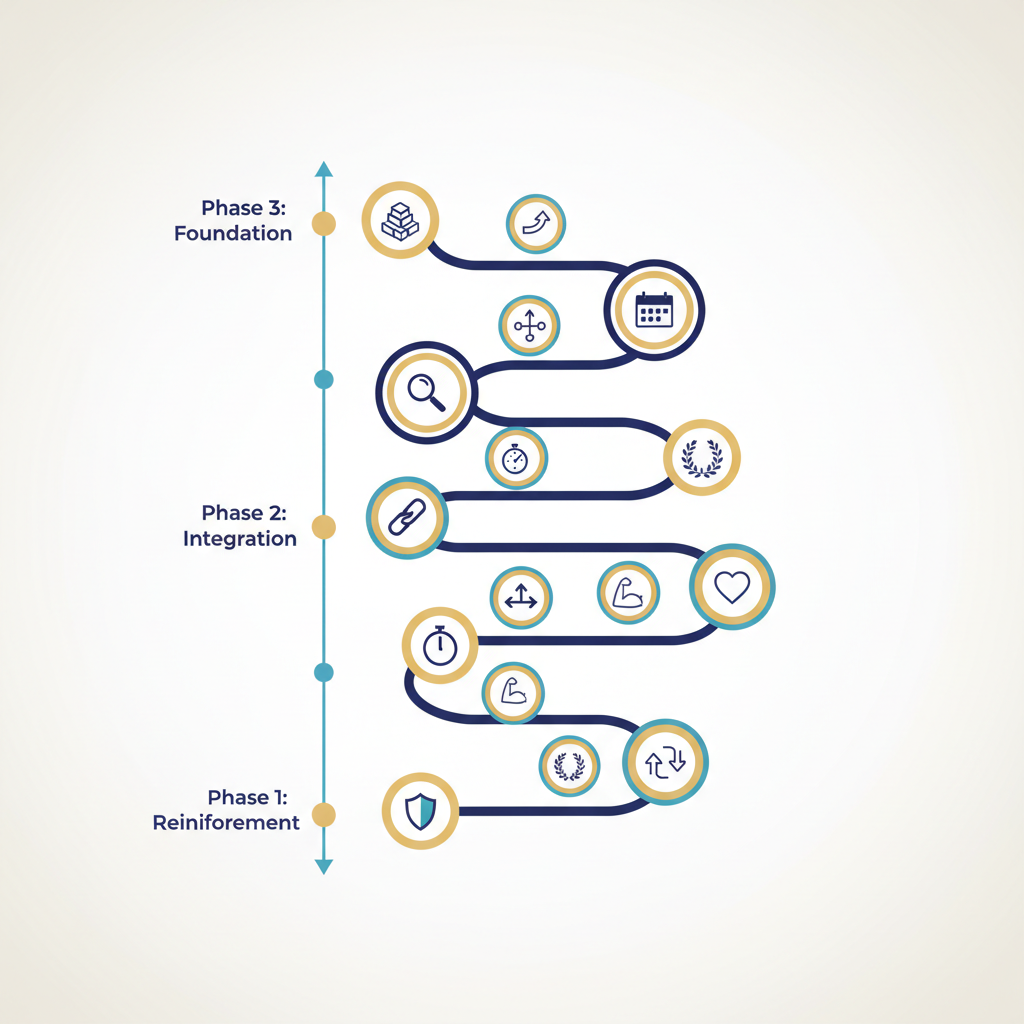
Why Sustainable Health Matters
Sustainable health reduces chronic disease risk (obesity, type 2 diabetes, cardiovascular disease, depression). Randomized and population studies show that lifestyle programs reduce metabolic risk and improve glycemic control. For example, lifestyle interventions in low- and middle-income countries were associated with an average HbA1c reduction of about 0.63% in pooled analyses. ([pmc.ncbi.nlm.nih.gov](https://pmc.ncbi.nlm.nih.gov/articles/PMC8296019/?utm_source=openai))
The WHO 2020 guidelines recommend adults achieve 150–300 minutes of moderate-intensity aerobic activity weekly, or 75–150 minutes of vigorous activity, plus muscle-strengthening activities on two or more days per week—recommendations associated with substantial reductions in morbidity and mortality. ([pmc.ncbi.nlm.nih.gov](https://pmc.ncbi.nlm.nih.gov/articles/PMC9219310/?utm_source=openai))
Why habits? Because repeated behaviors in stable contexts become automatic; a systematic review and meta-analysis found the median time to form a health habit around 59–66 days, with wide individual variability. ([pmc.ncbi.nlm.nih.gov](https://pmc.ncbi.nlm.nih.gov/articles/PMC11641623/?utm_source=openai))
Step-by-Step: How to Build Sustainable Health Habits (12 detailed steps)
Below is a clinical, practical 12-step plan I use with patients. Each step lists tools and a pro tip.
- Define a clear health vision
Tools: journal or notes app.
Pro tip: write one sentence starting with "I want to be…" (e.g., "I want to have energy to play with my children after work")—emotionally framed goals improve adherence. - Begin with tiny, specific habits
Tools: timer.
Pro tip: start with 5–10 minute actions (e.g., 5-minute mobility or a protein-rich breakfast). Repetition beats intensity in early stages. ([pmc.ncbi.nlm.nih.gov](https://pmc.ncbi.nlm.nih.gov/articles/PMC11641623/?utm_source=openai)) - Anchor habits to a stable context
Tools: daily checklist or habit app.
Pro tip: tie a new habit to an existing one (after prayer, after brushing teeth) to exploit contextual cues. - Measure progress simply
Tools: step counter, sleep tracker, weekly weigh-ins.
Pro tip: track one or two meaningful metrics only—ex: active minutes per day, nights with 7+ hours sleep. - Design your environment
Tools: meal prep containers, visible exercise gear.
Pro tip: reduce friction—if your shoes are by the door, you’re more likely to walk. Environmental design is a cornerstone of sustainable change. ([pmc.ncbi.nlm.nih.gov](https://pmc.ncbi.nlm.nih.gov/articles/PMC8365685/?utm_source=openai)) - Use progressive reinforcement
Tools: calendar rewards, accountability partner.
Pro tip: celebrate small wins weekly to maintain motivation. - Leverage social support
Tools: workout buddy, group chat, community class.
Pro tip: group-based interventions often produce better long-term weight outcomes than one-to-one in trials. ([pubmed.ncbi.nlm.nih.gov](https://pubmed.ncbi.nlm.nih.gov/33368624/?utm_source=openai)) - Plan for setbacks
Tools: 24-hour recovery checklist.
Pro tip: expect disruptions (travel, illness) and have a pre-written contingency plan. - Prioritize sleep and nutrition
Tools: sleep log, weekly meal plan.
Pro tip: higher protein breakfasts stabilize appetite and energy. - Use technology wisely
Tools: wearable, habit app, step tracker.
Pro tip: digital tools boost adherence in many contexts but aren’t uniformly superior to in-person care. ([pubmed.ncbi.nlm.nih.gov](https://pubmed.ncbi.nlm.nih.gov/35092872/?utm_source=openai)) - Personalize your plan
Tools: baseline health screen, tailored plan template (/blog/personalized-health-plan-guide).
Pro tip: personalized plans increase relevance, adherence, and effectiveness. ([pubmed.ncbi.nlm.nih.gov](https://pubmed.ncbi.nlm.nih.gov/33495201/?utm_source=openai)) - Review and iterate every 90 days
Tools: quarterly summary report.
Pro tip: 90-day cycles provide time to test, learn and compound small wins. /blog/the-90-day-health-challenge-compound-habits-for-sustainable-wellness-in-2026
Tools Needed & Pro Tips (summary table)
Below is a compact summary of key tools and practical tips to implement them daily.
| Goal | Tools | Pro Tip |
|---|---|---|
| Daily habit | Timer, sticky notes | Anchor to existing routine |
| Exercise | Shoes, 10-min videos, wearable | Start short and daily |
| Nutrition | Meal prep, containers | Plan for social meals |
| Sleep | Wind-down routine, light control | Consistent bed/wake times |
Deadly Mistakes to Avoid (5+)
- Setting large, vague goals and expecting instant results.
- Relying solely on willpower without changing the environment.
- Neglecting sleep and stress management—these undermine metabolic health.
- Chasing extreme diets without sustainability—short-term loss, long-term regain. ([cochrane.org](https://www.cochrane.org/evidence/CD005105_do-low-glycaemic-index-or-low-glycaemic-load-diets-help-people-overweight-or-obesity-lose-weight?utm_source=openai))
- Not planning for disruptions—lack of contingency plans leads to abandonment.
- Skipping medical clearance when indicated (cardiac disease, uncontrolled diabetes).
Suggested Timeline (Week / Month / 90 Days)
Week 1: clarify vision, choose 1–2 tiny habits, prep environment and tools.
Weeks 2–4: increase frequency; aim for 10–20 minutes daily movement; start meal planning; track sleep.
Month 2: convert 2–3 habits into routine; introduce strength training twice weekly.
End of 90 days: comprehensive review—adjust, add new habit, and continue compounding gains. Evidence supports such iterative cycles to build sustainable behavior. /blog/the-90-day-health-challenge-compound-habits-for-sustainable-wellness-in-2026
Quick-Start Checklist
- Write your health vision
- Pick 1–2 tiny, measurable habits
- Anchor habits to daily contexts
- Prepare environment (meals, shoes, alarm)
- Track 1–2 metrics
- Find support or an accountability group
- Set a contingency plan for setbacks
- Review at 30, 60, 90 days
Before / After Scenarios with Expected Results
Before: Sedentary office worker
After 12 weeks: improved sleep quality, modest weight loss (3–6 kg depending on adherence), more daytime energy.
Before: Pre-diabetes / insulin resistance
After 6 months: well-designed lifestyle programs often reduce HbA1c by ~0.4–0.8% and improve other cardiometabolic markers. ([pmc.ncbi.nlm.nih.gov](https://pmc.ncbi.nlm.nih.gov/articles/PMC8296019/?utm_source=openai))
When to Seek Professional Help
Seek medical advice before starting intensive exercise if you have cardiac disease, uncontrolled diabetes, or take medications affecting metabolism or bleeding risk. Also consult a clinician if you can’t maintain new habits after 6 months of structured attempts—specialist input may reveal physiological or psychosocial barriers. In clinic, I’ve seen early medication adjustment combined with lifestyle changes prevent progression to overt disease for several patients.
Myths vs Facts (5+)
- Myth: "21 days to form a habit" — Fact: Median time closer to 59–66 days; expect individual variability. ([pmc.ncbi.nlm.nih.gov](https://pmc.ncbi.nlm.nih.gov/articles/PMC11641623/?utm_source=openai))
- Myth: "Wearables solve everything" — Fact: Useful, but environmental and social factors are crucial. ([pubmed.ncbi.nlm.nih.gov](https://pubmed.ncbi.nlm.nih.gov/35092872/?utm_source=openai))
- Myth: "Crash diets are best" — Fact: Long-term outcomes favor sustainable, moderate changes. Cochrane reviews show mixed results for fad approaches. ([cochrane.org](https://www.cochrane.org/evidence/CD005105_do-low-glycaemic-index-or-low-glycaemic-load-diets-help-people-overweight-or-obesity-lose-weight?utm_source=openai))
- Myth: "Only vigorous exercise counts" — Fact: Any activity is beneficial; consistency matters most. ([pmc.ncbi.nlm.nih.gov](https://pmc.ncbi.nlm.nih.gov/articles/PMC9219310/?utm_source=openai))
- Myth: "Willpower alone is sufficient" — Fact: Systems, environment, and social support reduce reliance on sheer will. ([pmc.ncbi.nlm.nih.gov](https://pmc.ncbi.nlm.nih.gov/articles/PMC8365685/?utm_source=openai))
Expert Tips from Dr. Feras' Clinical Experience (5+)
- Tell one person about your plan—social accountability beats solo intentions.
- Short daily movement sessions are more sustainable than weekly extremes.
- Measure what matters: choose 1–2 indicators and stick to them for 90 days.
- Adapt during travel, religious fasting, or work changes—rewrite routines rather than stopping them.
- Record how you feel daily; emotional patterning predicts adherence better than rational plans.
FAQs
- How long to form a habit? Median 59–66 days with wide individual variation. ([pmc.ncbi.nlm.nih.gov](https://pmc.ncbi.nlm.nih.gov/articles/PMC11641623/?utm_source=openai))
- Do I need a coach? Not necessarily; peer groups often work well. Coaches accelerate progress for some people.
- Best time to exercise? The time you can consistently commit to—morning for routine stability, evening if that fits your life.
- Is intermittent fasting better? Evidence is mixed; Cochrane and recent reviews suggest little difference versus standard advice for some outcomes—sustainability matters most. ([cochrane.org](https://www.cochrane.org/evidence/CD015610_intermittent-fasting-traditional-dietary-advice-or-no-treatment-which-works-better-help-adults?utm_source=openai))
- How to handle setbacks? Use a 24-hour recovery plan; analyze triggers and reduce friction for desired behaviors.
- Are apps effective? They help in many cases, but not always superior to in-person intervention. ([pubmed.ncbi.nlm.nih.gov](https://pubmed.ncbi.nlm.nih.gov/35092872/?utm_source=openai))
- How often to review? Weekly quick checks, monthly deeper reviews, 90-day comprehensive review.
- Why did my weight plateau? Check sleep, stress, medication interactions, and dietary quality; consider medical evaluation.
Selected References
- World Health Organization. WHO Guidelines on physical activity and sedentary behaviour. 2020. ([pmc.ncbi.nlm.nih.gov](https://pmc.ncbi.nlm.nih.gov/articles/PMC9219310/?utm_source=openai))
- Time to Form a Habit: A Systematic Review and Meta-Analysis of Health Behaviour Habit Formation and Its Determinants. Healthcare. 2024. ([pmc.ncbi.nlm.nih.gov](https://pmc.ncbi.nlm.nih.gov/articles/PMC11641623/?utm_source=openai))
- NEJM. Weight Loss in Underserved Patients — Cluster-Randomized Trial. 2020. ([nejm.org](https://www.nejm.org/doi/full/10.1056/NEJMoa2007448?utm_source=openai))
- JAMA Internal Medicine. Lifestyle Intervention to Prevent Type 2 Diabetes. 2021. ([jamanetwork.com](https://jamanetwork.com/journals/jamainternalmedicine/fullarticle/2772239?utm_source=openai))
- Effective behavior change techniques to promote physical activity in adults with overweight or obesity. 2021. ([pmc.ncbi.nlm.nih.gov](https://pmc.ncbi.nlm.nih.gov/articles/PMC8365685/?utm_source=openai))
- Habit Strength, Medication Adherence, and Habit-Based Mobile Health Interventions. JMIR. 2020. ([pubmed.ncbi.nlm.nih.gov](https://pubmed.ncbi.nlm.nih.gov/32343250/?utm_source=openai))
- Lifestyle interventions to improve glycemic control in adults with T2D in LMICs. 2021. ([pmc.ncbi.nlm.nih.gov](https://pmc.ncbi.nlm.nih.gov/articles/PMC8296019/?utm_source=openai))
- Lifestyle interventions to reduce sedentary behaviour in clinical populations: systematic review. 2021. ([pubmed.ncbi.nlm.nih.gov](https://pubmed.ncbi.nlm.nih.gov/33930434/?utm_source=openai))
- Wearable technology-delivered lifestyle intervention systematic review. 2021. ([pubmed.ncbi.nlm.nih.gov](https://pubmed.ncbi.nlm.nih.gov/35092872/?utm_source=openai))
- "Lifestyle medicine is no Trojan horse" - commentary on lifestyle medicine. 2021. ([pubmed.ncbi.nlm.nih.gov](https://pubmed.ncbi.nlm.nih.gov/34319896/?utm_source=openai))
- Selected Cochrane reviews on behavioral and dietary interventions. 2020–2022. ([cochrane.org](https://www.cochrane.org/evidence/CD007675_interactive-computer-based-interventions-weight-loss-or-weight-maintenance-overweight-or-obese?utm_source=openai))
Medical Disclaimer
This content is educational and not a substitute for medical advice. Consult your healthcare provider before starting new exercise or diet programs, especially with chronic conditions or medications.
Conclusion & Next Steps (CTAs)
In short: build tiny, repeatable habits placed in stable contexts, measure simply, iterate every 90 days, and deploy social support and environmental design. Start by choosing two tiny habits this week and review in 30 days. For a personalized plan, visit /blog/personalized-health-plan-guide, and to join a 90‑day habit challenge see /blog/the-90-day-health-challenge-compound-habits-for-sustainable-wellness-in-2026.
Partner resources: https://feelgreatap-h8jahypk.manus.space/articles/best-program-for-insulin-resistance and https://feelgreatap-h8jahypk.manus.space/articles/how-to-manage-insulin-resistance-naturally
Related Research & Articles
- 📊 BMJ 2025: Intermittent Fasting - 99 Clinical Trials
- 📊 Unimate & GLP-1: BYU Study 2025
- 📊 Balance Reduces LDL 24.5% - Cleveland Clinic
- Best Program for Insulin Resistance (Partner Site)

Ready to Transform Your Health Sustainably?
Connect with Feras Alayed - Therapeutic & Behavioral Nutrition Specialist - for a free health assessment and personalized wellness plan.
Learn more about Sustainable Health | Business Opportunities
النقاط الرئيسية
- الصحة المستدامة تُبنى عبر تكرار مهاري وتعديلات يومية بسيطة قابلة للالتزام.
- تحديد سياق ثابت وزمن يومي يزيدان من احتمالية تحويل السلوك إلى عادة دائمة. ([pmc.ncbi.nlm.nih.gov](https://pmc.ncbi.nlm.nih.gov/articles/PMC11641623/?utm_source=openai))
- النشاط البدني الأسبوعي والمقاومة العضلية يقللان المخاطر الصحية — توصيات منظمة الصحة العالمية 2020. ([pmc.ncbi.nlm.nih.gov](https://pmc.ncbi.nlm.nih.gov/articles/PMC9219310/?utm_source=openai))
- التدخلات النمطية متعددة المكونات (غذاء، حركة، نوم، إدارة توتر) تُحسّن النتائج الصحية، بما في ذلك خفض HbA1c لدى مرضى ما قبل السكري وداء السكري. ([pmc.ncbi.nlm.nih.gov](https://pmc.ncbi.nlm.nih.gov/articles/PMC8296019/?utm_source=openai))
- استخدم خطوات قابلة للقياس، أدوات تذكير، ودعم اجتماعي لرفع الالتزام. ([pmc.ncbi.nlm.nih.gov](https://pmc.ncbi.nlm.nih.gov/articles/PMC8365685/?utm_source=openai))
- تجنب الحلول القصيرة (حميات متطرفة، أهداف غير واقعية) وبدّلها بخطة 90 يوماً لعادات مركبة. /blog/the-90-day-health-challenge-compound-habits-for-sustainable-wellness-in-2026
ملخص سريع
هذا الدليل العملي يشرح كيف تبني عادات صحية مستدامة خطوة بخطوة (8–12 خطوة مفصلة)، مع أدوات ونصائح من عيادة فراس، جدول زمني، أخطاء يجب تجنبها ومراجع علمية حديثة. ستتعلم كيف تجعل النشاط، النوم، الغذاء وإدارة التوتر جزءاً من روتينك اليومي بشكل ثابت ومحقق لفوائد صحية بعيدة المدى. ([pmc.ncbi.nlm.nih.gov](https://pmc.ncbi.nlm.nih.gov/articles/PMC9219310/?utm_source=openai))
مقدمة: المشكلة ولمن هذا الدليل
أنت هنا لأنك تريد أكثر من «حل سريع»؛ تريد نظام حياة يدعم طاقتك، أداءك وصحتك لسنوات. الصحة المستدامة هي القدرة على الحفاظ على عادات صحية بمرور الزمن بطريقة واقعية تتماشى مع حياتك اليومية العربية (عادات الطعام الاجتماعي، وقت الصلاة، دوامات العمل الطويلة). هذا الدليل مخصص لك إن كنت: موظفاً مشغولاً، أمّاً تعمل، شخصاً لديه مخاطر سُكّريّة أو فقط ترغب في تحسين نوعية حياتك بدون حلول مؤقتة.
سأستخدم خبرتي السريرية وأمثلة من عيادتي: أحد مرضاي عمره 47 سنة، موظف ليلي ويعاني مقاومة أنسولين؛ بتعديل بسيط في موعد الوجبات وتحويل نصف ساعة من المشي بعد الإفطار إلى عادة يومية، بدأ يرى تحسناً في طاقته وصحته المزاجية خلال 8 أسابيع — هذا مثال واقعي يوضح أن التغييرات الصغيرة المتكررة تصنع فرقاً كبيراً.
لماذا الصحة المستدامة مهمة؟
الصحة المستدامة ليست رفاهية؛ هي استثمار يقلل مخاطر الأمراض المزمنة (السمنة، السكري النوع 2، أمراض القلب، الاكتئاب). الأدلة واسعة: برنامجات نمط الحياة المنظمة قللت مستوى HbA1c لدى المشاركين وحسّنت عوامل الخطر القلبية الوعائية. دراسة منهجية تُظهر أن تدخلات نمط الحياة في البلدان منخفضة ومتوسطة الدخل خفضت HbA1c بمعدل حوالي 0.63%. ([pmc.ncbi.nlm.nih.gov](https://pmc.ncbi.nlm.nih.gov/articles/PMC8296019/?utm_source=openai))
توصيات منظمة الصحة العالمية 2020 تؤكد أن حجم النشاط البدني الأسبوعي (مثل 150 دقيقة أسبوعياً من نشاط متوسط الشدة أو 75 دقيقة من النشاط القوي) مع تدريبات قوة يومين/أسبوعاً يقلل بشكل كبير من مخاطر الأمراض. هذه توصيات عامة قابلة للتطبيق في كل بيئة. ([pmc.ncbi.nlm.nih.gov](https://pmc.ncbi.nlm.nih.gov/articles/PMC9219310/?utm_source=openai))
لماذا التركيز على العادات؟ لأن السلوك المُكرّر داخل سياق ثابت يتحول إلى آلية أوتوماتيكية تقلل الاعتماد على قوة الإرادة وحدها. مراجعة حديثة وجدت أن تكوين عادة صحية قد يحتاج متوسط 59–66 يوماً مع تفاوت فردي واسع. ([pmc.ncbi.nlm.nih.gov](https://pmc.ncbi.nlm.nih.gov/articles/PMC11641623/?utm_source=openai))
خطوات عملية لبناء عادات صحية مستدامة (12 خطوة مفصّلة)
فيما يلي خطة عملية مكوّنة من 12 خطوة قابلة للتنفيذ والتي أستخدمها مع مرضاي. لكل خطوة أذكر «الأدوات المطلوبة» و«نصيحة احترافية».
- حدد رؤية صحية واضحة
الأدوات المطلوبة: دفتر ملاحظات أو تطبيق ملاحظات.
نصيحة احترافية: اكتب جملة واحدة تبدأ بـ "أريد أن أكون" (مثلاً: "أريد أن أكون شخصاً لديه طاقة كافية للعب مع أطفالي بعد العمل"). الربط العاطفي يزيد الالتزام. - ابدأ بعادات صغيرة ومحددة (Tiny Habits)
الأدوات المطلوبة: ساعة/منبّه.
نصيحة احترافية: اختر عادة تدوم 5–10 دقائق أولاً (مثلاً 5 دقائق تمرين بعد الاستيقاظ). التكرار أهم من الشدة — هذا مدعوم ببحوث تكوين العادات. ([pmc.ncbi.nlm.nih.gov](https://pmc.ncbi.nlm.nih.gov/articles/PMC11641623/?utm_source=openai)) - حدد سياق ثابت (التوقيت/المكان)
الأدوات المطلوبة: جدول يومي، ملصق تذكير.
نصيحة احترافية: اربط عادة جديدة بسلوك موجود (ربط الصباح بالوضوء أو بعد صلاة الفجر لتكرار ثابت). قيس تقدمك بانتظام
الأدوات المطلوبة: تطبيق تتبع (خطوات، نوم، وزن)، مفكرة.
نصيحة احترافية: استخدم مقاييس بسيطة: أيام التمرين في الأسبوع، أو عدد الوجبات الغنية بالخضراوات.- استخدم تذكيرات مرئية وبيئية
الأدوات المطلوبة: وضع الخضار في مقدمة الثلاجة، حذاء رياضي بجانب الباب.
نصيحة احترافية: تهيئة البيئة تُقلل الاحتكاك وتزيد الاتساق. ([pmc.ncbi.nlm.nih.gov](https://pmc.ncbi.nlm.nih.gov/articles/PMC8365685/?utm_source=openai)) - أدخل التدرج والتعزيز الإيجابي
الأدوات المطلوبة: تقويم يومي، مكافآت صغيرة.
نصيحة احترافية: احتفل بإنجازات الأسبوع الأول والثالث لتثبيت الدافع. - اجمع الدعم الاجتماعي أو المجموعات
الأدوات المطلوبة: صديق التمرين، مجموعة واتساب.
نصيحة احترافية: الانضمام لمجموعة يزيد الالتزام ويُحسن نتائج فقدان الوزن مقارنة بالرعاية التقليدية. ([pubmed.ncbi.nlm.nih.gov](https://pubmed.ncbi.nlm.nih.gov/33368624/?utm_source=openai)) - تعلم الاستجابة للانتكاسات بخطّة واضحة
الأدوات المطلوبة: قائمة استجابة للانتكاس (خطوات 24 ساعة).
نصيحة احترافية: خطّط لسيناريوهات (سفر، ضغوط عمل) مسبقاً حتى لا تكون الانتكاسة نهاية الرحلة. - ادمج النوم والتغذية كأولويات
الأدوات المطلوبة: سجل نوم، خطة وجبات أسبوعية.
نصيحة احترافية: اجعل وجبة الفطور غنية بالبروتين لتقليل تقلبات الجوع وتهيئة الطاقة لليوم. - استفد من التكنولوجيا بحذر
الأدوات المطلوبة: ساعة ذكية، تطبيق تتبع عادات.
نصيحة احترافية: استخدم التكنولوجيا لأتمتة التذكيرات والقياس لكن لا تعتمد عليها كحل أخير. مراجعات تشير إلى فعالية التدخلات الرقمية في بعض السياقات لكنها أقل من العلاج الحضوري في بعض الحالات. ([pubmed.ncbi.nlm.nih.gov](https://pubmed.ncbi.nlm.nih.gov/35092872/?utm_source=openai)) - قم بتخصيص خطة صحية شخصية
الأدوات المطلوبة: استمارة تقييم شخصي، مراسلة مع مختص /blog/personalized-health-plan-guide.
نصيحة احترافية: خطة مخصصة تُحسن الالتزام والنتائج مقارنة بنصائح عامة. ([pubmed.ncbi.nlm.nih.gov](https://pubmed.ncbi.nlm.nih.gov/33495201/?utm_source=openai)) - قيّم النتائج وكرر الدورات كل 90 يوماً
الأدوات المطلوبة: تقرير ربعي للنتائج.
نصيحة احترافية: دورة 90 يوماً كافية لتجربة وتعديل العادات قبل تطويرها إلى مستوى أعلى /blog/the-90-day-health-challenge-compound-habits-for-sustainable-wellness-in-2026.
الأدوات المطلوبة ونصائح احترافية لكل خطوة (تلخيص)
في الجدول التالي أُلخّص الأدوات العملية لكل مجموعة خطوات وكيفية استخدامها بشكل يومي.
| الهدف | أدوات | نصيحة احترافية |
|---|---|---|
| بناء عادة يومية | منبّه، ملصق، دفتر | اربط بالسلوك اليومي الحالي |
| التمارين | حذاء، ساعة ذكية، فيديو 10 دقائق | ابدأ بـ10 دقائق وازدد تدريجياً |
| التغذية | خطة وجبات، حقيبة طعام | خطط للوجبات الاجتماعية مسبقاً |
| النوم | روتين ما قبل النوم، إضاءة خافتة | ثبات مواعيد النوم والاستيقاظ |
أخطاء قاتلة يجب تجنبها (5+ أخطاء)
- البدء بأهداف كبيرة وغير قابلة للقياس — توقع النتائج الفورية يؤدي للإحباط.
- الاعتماد على قوة الإرادة وحدها دون تهيئة البيئة.
- تجاهل النوم وإدارة التوتر — لهما تأثير كبير على الالتزام والتمثيل الغذائي.
- اتباع حميات قاسية دون خطة استدامة: غالباً ما تؤدي إلى ارتداد الوزن. ([cochrane.org](https://www.cochrane.org/evidence/CD015610_intermittent-fasting-traditional-dietary-advice-or-no-treatment-which-works-better-help-adults?utm_source=openai))
- عدم وجود خطة للتعامل مع الانتكاسات أو السفر.
- تجاهل الفحص الطبي قبل بدء برامج مكثفة لدى أصحاب الأمراض المزمنة.
الجدول الزمني المقترح (أسبوع / شهر / 3 أشهر)
أسبوع 1: وضع الرؤية، اختيار 1–2 عادة صغيرة، إعداد بيئة داعمة (أدوات/تذكيرات).
أسبوع 2–4: زيادة التكرار، إدخال نشاط بدني يومي 10–20 دقيقة، البدء بخطة وجبات أسبوعية، تتبع النوم.
شهر 2: تحويل 2–3 عادات إلى روتين ثابت — تقييم أسبوعي، مشاركة دعم اجتماعي.
شهر 3 (نهاية دورة 90 يوماً): تقييم شامل، تعديل الخطة، تطوير عادات جديدة بناء على أسس ثابتة. كما تدعم الأدلة أن دورات 90 يوماً تسمح بتجارب كافية لتثبيت سلوكيات طويلة الأمد. /blog/the-90-day-health-challenge-compound-habits-for-sustainable-wellness-in-2026
قائمة مراجعة سريعة (Quick-Start Checklist)
- اكتب رؤيتك الصحية
- اختر 1–2 عادة صغيرة قابلة للقياس
- حدد سياق يومي ثابت
- هيئ البيئة (وجبات، أحذية، منبه)
- ابدأ تتبع بسيط (أيام/أسبوع)
- انضم لمجموعة دعم أو صديق
- حدد خطة استجابة للانتكاس
- قيم بعد 30، 60، 90 يوماً
سيناريوهات قبل/بعد مع نتائج متوقعة
قبل: "سعيد"، موظف مكتبي، لا يمارس الرياضة
نتائج متوقعة بعد 12 أسبوع: زيادة الطاقة اليومية بنسبة محسوسة، فقدان وزن متواضع 3–6 كجم (حسب الامتثال)، تحسّن النوم والمزاج.
قبل: مقاومة أنسولين، ارتفاع HbA1c حدودي
بعد 6 أشهر من تدخل نمط حياة منظم: خفض متوقع في HbA1c بمعدل ~0.4–0.8% في برامج مماثلة مُعدة بشكل جيد، مع تحسن عوامل الخطر. ([pmc.ncbi.nlm.nih.gov](https://pmc.ncbi.nlm.nih.gov/articles/PMC8296019/?utm_source=openai))
متى تطلب مساعدة متخصص
اطلب استشارة طبية إذا كان لديك: تاريخ سرطان، أمراض قلبية، سكر من النوع 1 أو مضاعفات سكري، دواء يؤثر على الأيض، دواء لخفض ضغط الدم أو مضادات تخثر قبل بدء تمارين مكثفة. كما اطلب مختصاً إذا لم تستطع الحفاظ على عادة بعد 6 أشهر من المحاولة المنهجية — فربما تحتاج تعديل خطة شخصية. أحد مرضاي احتاج ضبط دوائي وتعديل خطة غذائية بعد شهرين لأن قياسات السكري لم تتحسن — التدخل الطبي المبكر أنقذها من تطور الحالة.
خرافات vs حقائق (5+)
- خرافة: "تكوين عادة يستغرق 21 يوماً" — حقيقة: متوسط وقت تكوين العادة يتراوح 59–66 يوماً مع تفاوت فردي كبير. ([pmc.ncbi.nlm.nih.gov](https://pmc.ncbi.nlm.nih.gov/articles/PMC11641623/?utm_source=openai))
- خرافة: "التقنية وحدها كفيلة" — حقيقة: التكنولوجيا مفيدة لكن الدعم الاجتماعي والبيئة مهمان للغاية. ([pubmed.ncbi.nlm.nih.gov](https://pubmed.ncbi.nlm.nih.gov/35092872/?utm_source=openai))
- خرافة: "الرجيم القاسي أفضل" — حقيقة: الحميات المتطرفة غالباً لا تدوم؛ النهج المتدرج أفضل لاستدامة الوزن. ([cochrane.org](https://www.cochrane.org/evidence/CD005105_do-low-glycaemic-index-or-low-glycaemic-load-diets-help-people-overweight-or-obesity-lose-weight?utm_source=openai))
- خرافة: "النشاط المكثف فقط هو المفيد" — حقيقة: أي حركة أفضل من لا شيء؛ الاتساق يومياً أهم من الشدة لمخاطر طويلة المدى. ([pmc.ncbi.nlm.nih.gov](https://pmc.ncbi.nlm.nih.gov/articles/PMC9219310/?utm_source=openai))
- خرافة: "التغيير يحتاج إرادة قوية فقط" — حقيقة: تهيئة البيئة وخطط دعمية تقلل الاعتماد على الإرادة. ([pmc.ncbi.nlm.nih.gov](https://pmc.ncbi.nlm.nih.gov/articles/PMC8365685/?utm_source=openai))
نصائح خبير من تجربة فراس السريرية (5+ نصائح)
- ابدأ قبل موعد الوجبة الاجتماعية — أخبر أحد أفراد الأسرة بخطتك لزيادة الدعم.
- اجعل التمارين قصيرة لكن يومية؛ أفضل من جلسة طويلة كل أسبوع.
- قِس ما يمكنك قياسه: الاستمرار أسهل عندما ترى أرقاماً (خطوات، نوم، أيام الالتزام).
- اجعل النظام قابلًا للتعديل أثناء السفر أو رمضان — أعد صياغة العادات بدل التخلي عنها.
- سجل يوميات بسيطة عن شعورك يومياً — العاطفة توجه الالتزام أكثر من المنطق.
الأسئلة الشائعة (FAQ)
- كم من الوقت يستغرق تكوين عادة؟ متوسط 59–66 يوماً مع تفاوت فردي كبير. ([pmc.ncbi.nlm.nih.gov](https://pmc.ncbi.nlm.nih.gov/articles/PMC11641623/?utm_source=openai))
- هل أحتاج مدرب شخصي؟ لا بالضرورة — الدعم الاجتماعي ومجموعة صغيرة قد تكون كافية، لكن المدرب يفيد في تسريع النتائج.
- ما أفضل وقت للتمرين؟ الوقت الذي تلتزم به؛ الصباح ممتاز لثبات الروتين، لكن إذا كان وقتك بعد العمل أكثر احتمالاً للالتزام فاختر ذلك.
- هل الصيام المتقطع مفيد لاستدامة الوزن؟ الأدلة متباينة؛ بعض المراجعات الحديثة تشير إلى تشابه النتائج مقارنة بالنصائح التقليدية على المدى القصير، لكن الاستدامة الفردية مهمة. ([cochrane.org](https://www.cochrane.org/evidence/CD015610_intermittent-fasting-traditional-dietary-advice-or-no-treatment-which-works-better-help-adults?utm_source=openai))
- كيف أتعامل مع الانتكاسات؟ ضع خطة 24 ساعة للعودة، لا تعاقب نفسك، راجع الأسباب واضبط الظروف البيئية.
- هل التطبيقات فعّالة؟ يمكن أن تحسّن النتائج لكنها ليست بديلاً عن بيئة داعمة أو تدخل حضوري في بعض الحالات. ([pubmed.ncbi.nlm.nih.gov](https://pubmed.ncbi.nlm.nih.gov/35092872/?utm_source=openai))
- كم مرة أقيم تقدمي؟ قيّم شهرياً، مع مراجعات سريعة أسبوعية، ومراجعة شاملة بعد 90 يوماً.
- ماذا أفعل إذا لم ينخفض وزني؟ قيّم الامتثال، النوم، الأدوية، واحصل على فحص طبي شامل. قد تحتاج لتعديل خطتك أو فحوصات طبية.
مراجع علمية حديثة (مختارة)
- World Health Organization. WHO Guidelines on physical activity and sedentary behaviour. 2020. ([pmc.ncbi.nlm.nih.gov](https://pmc.ncbi.nlm.nih.gov/articles/PMC9219310/?utm_source=openai))
- Time to Form a Habit: A Systematic Review and Meta-Analysis of Health Behaviour Habit Formation and Its Determinants. Healthcare. 2024. ([pmc.ncbi.nlm.nih.gov](https://pmc.ncbi.nlm.nih.gov/articles/PMC11641623/?utm_source=openai))
- NEJM. Weight Loss in Underserved Patients — A Cluster-Randomized Trial. 2020. ([nejm.org](https://www.nejm.org/doi/full/10.1056/NEJMoa2007448?utm_source=openai))
- JAMA Internal Medicine. Lifestyle Intervention to Prevent Type 2 Diabetes. 2021. ([jamanetwork.com](https://jamanetwork.com/journals/jamainternalmedicine/fullarticle/2772239?utm_source=openai))
- Effective behavior change techniques to promote physical activity in adults with overweight or obesity: systematic review and meta-analysis. 2021. ([pmc.ncbi.nlm.nih.gov](https://pmc.ncbi.nlm.nih.gov/articles/PMC8365685/?utm_source=openai))
- Habit Strength, Medication Adherence, and Habit-Based Mobile Health Interventions. JMIR. 2020. ([pubmed.ncbi.nlm.nih.gov](https://pubmed.ncbi.nlm.nih.gov/32343250/?utm_source=openai))
- Lifestyle interventions to improve glycemic control in adults with T2D in LMICs. Int J Environ Res Public Health. 2021. ([pmc.ncbi.nlm.nih.gov](https://pmc.ncbi.nlm.nih.gov/articles/PMC8296019/?utm_source=openai))
- Lifestyle interventions to reduce sedentary behaviour in clinical populations: systematic review. 2021. ([pubmed.ncbi.nlm.nih.gov](https://pubmed.ncbi.nlm.nih.gov/33930434/?utm_source=openai))
- Wearable technology-delivered lifestyle intervention systematic review. 2021. ([pubmed.ncbi.nlm.nih.gov](https://pubmed.ncbi.nlm.nih.gov/35092872/?utm_source=openai))
- "Lifestyle medicine is no Trojan horse" - commentary on lifestyle medicine. 2021. ([pubmed.ncbi.nlm.nih.gov](https://pubmed.ncbi.nlm.nih.gov/34319896/?utm_source=openai))
- Cochrane reviews on behavioral interventions and weight management. 2020–2022. ([cochrane.org](https://www.cochrane.org/evidence/CD007675_interactive-computer-based-interventions-weight-loss-or-weight-maintenance-overweight-or-obese?utm_source=openai))
إخلاء المسؤولية الطبية
هذه المعلومات تعليمية ولا تغني عن استشارة الطبيب. قبل بدء أي برنامج غذائي أو تمريني مكثف، خاصةً إذا كان لديك أمراض مزمنة أو تتناول أدوية، استشر مختص الرعاية الصحية.
الخلاصة والخطوات التالية (CTAs)
الخلاصة: الصحة المستدامة تُبنى بخطط صغيرة، تهيئة بيئية، قياس دوري ودعم اجتماعي. ابدأ بخطوتين بسيطتين هذا الأسبوع، سجل التقدم، وقم بمراجعة بعد 30 يوم. للخطوات التالية: احجز استشارة لتخصيص خطة صحية عبر /blog/personalized-health-plan-guide، أو ابدأ تحدي 90 يوماً /blog/the-90-day-health-challenge-compound-habits-for-sustainable-wellness-in-2026.
روابط شريكة لمزيد من الأدلة العملية: https://feelgreatap-h8jahypk.manus.space/articles/best-program-for-insulin-resistance و https://feelgreatap-h8jahypk.manus.space/articles/how-to-manage-insulin-resistance-naturally
إخلاء مسؤولية طبية: هذا المحتوى تعليمي ومعلوماتي فقط ولا يُعد بديلاً عن الاستشارة الطبية المتخصصة أو التشخيص أو العلاج. استشر طبيبك دائماً قبل إجراء أي تغييرات في نظامك الغذائي أو نمط حياتك.
الأسئلة الشائعة
كيف يعمل نظام Feel Great؟
يجمع نظام Feel Great بين يونيماتي (يربا ماتي لتحفيز GLP-1 والتحكم بالشهية) وبالانس (مصفوفة ألياف لتنظيم الجلوكوز) ونمط الصيام المتقطع 4-4-12 لدعم الصحة الأيضية طبيعياً.
هل الصيام المتقطع آمن؟
أبحاث من مجلة BMJ (99 تجربة سريرية، 6,582 مشاركاً) تؤكد أن الصيام المتقطع آمن وفعّال لإدارة الوزن وتحسين صحة القلب.
متى سأرى النتائج؟
تظهر الدراسات السريرية تحسناً ملموساً في المؤشرات الأيضية خلال 8-12 أسبوعاً من الاستخدام المنتظم. النتائج تختلف من شخص لآخر.
أبحاث ومقالات ذات صلة
- 📊 BMJ 2025: الصيام المتقطع - 99 تجربة سريرية
- 📊 يونيماتي و GLP-1: دراسة BYU 2025
- 📊 بالانس يخفض LDL بنسبة 24.5% - كليفلاند كلينك
- أفضل برنامج لمقاومة الأنسولين (الموقع الشريك)
هل تريد تحسين صحتك بشكل مستدام؟
تواصل مع فراس العايد - أخصائي التغذية العلاجية والسلوكية - للحصول على تقييم صحي مجاني وخطة مخصصة لك.
اقرأ المزيد عن الصحة المستدامة | فرص الاستثمار
Frequently Asked Questions
How long does it take to form a healthy habit?
Median 59–66 days with wide individual variability; habit formation can take from weeks to nearly a year depending on behaviour and context.
Do I need a coach to build sustainable habits?
Not necessarily—peer groups and structured self-monitoring often work well; a coach can accelerate progress for some people.
What is the best time to exercise?
Any consistent time you can stick with is best; morning supports routine regularity but choose what fits your life.
Are health apps and wearables effective?
Digital tools can help adherence but are not a universal replacement for personalized or in-person care.
How should I handle setbacks or relapses?
Set a 24-hour recovery plan: analyze triggers, reduce friction, and return to the routine without self-punishment.
Do I need medical clearance before starting an exercise program?
Yes—seek medical clearance for those with cardiac disease, uncontrolled diabetes, or when planning intense exercise programs.
How often should I evaluate my progress?
Review weekly quick checks, monthly deeper reviews, and a full reassessment at 90 days.
Why is my weight plateauing despite efforts?
Check sleep, stress, medications, and dietary intake; consult a clinician for targeted investigations if doubt persists.