Unimate vs Coffee: Which is Better for Brain Health and Focus? A Comprehensive Scientific Comparison
Unimate مقابل القهوة: أيهما أفضل لصحة الدماغ والتركيز؟ مقارنة علمية شاملة
Author: Feras Alayed - Therapeutic & Behavioral Nutrition Specialist
Published:
Updated:
Category: sustainable-health
Reading Time: 9 minutes
Introduction: Does Unimate Give You Better Focus Than Coffee?
In a world filled with piled-up tasks, long meetings, and constant notifications, maintaining mental clarity has become a daily challenge. You may start your morning with a cup of coffee in search of energy, but a few hours later you feel distracted, mentally foggy, or experience a sudden drop in energy.
This problem is not only about sleepiness; it may affect your ability to make decisions, get work done, study effectively, or even maintain a stable mood. That is why many people look for alternatives or supportive options for focus, including Unimate, which is often presented as a different option from traditional coffee.
But the most important question is: Is Unimate truly better for brain health and focus, or is coffee still the more effective choice? The answer is not simple, because the effect depends on several factors such as the amount of caffeine, absorption method, the body’s individual response, the presence of antioxidants, and the likelihood of an “energy crash” after a period of stimulation.
In this article, we will compare Unimate and coffee from the perspective of brain health, focus, alertness, sustained energy, and potential side effects. We will also explain when coffee may be more suitable, and when Unimate may be a better option for those seeking a more balanced energy pattern within a sustainable health approach.
The goal is not to declare an absolute winner, but to help you choose the drink that best suits the nature of your day, your caffeine sensitivity, and your mental goals without relying only on quick stimulation.
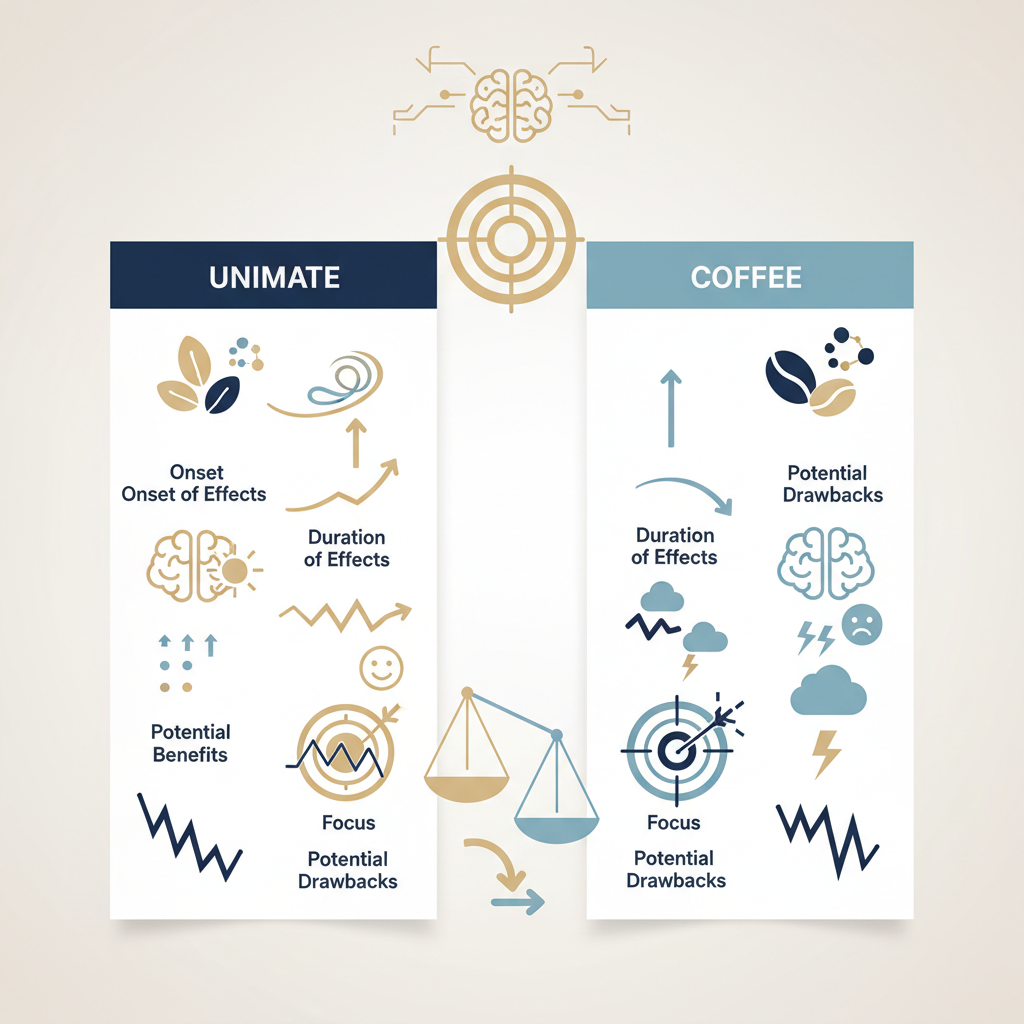
What Are Unimate and Coffee? Definition, Origin, and Active Compounds
To understand the difference between Unimate and coffee in terms of focus and brain health, you first need to know the source of each drink and the active compounds it contains. Both may provide a feeling of alertness, but their way of working is not identical.
What Is Unimate?
Unimate is a drink based on an extract of the yerba mate plant, a traditional plant native to South America, especially in countries such as Argentina, Brazil, Paraguay, and Uruguay. Mate has historically been used as a social drink and natural stimulant.
Unimate is usually marketed as a drink intended to support mental energy and focus, with a gentler experience than some strong caffeinated drinks. This is due to the combination of plant compounds found in mate, not caffeine alone.
- Caffeine: Helps increase alertness and reduce feelings of fatigue by affecting adenosine receptors in the brain.
- Theobromine: A compound also found in cacao, and it may provide a milder sense of stimulation compared with caffeine.
- Mate saponins: Distinctive plant compounds in mate, which may be linked to some antioxidant effects and support for overall health.
- Multiple antioxidants: May help counter oxidative stress, an important factor for cell health, including brain cells.
What Is Coffee?
Coffee is a drink prepared from roasted coffee beans. Its origins are often traced back to Ethiopia, after which it spread globally through Yemen and the Arabian Peninsula. Today, coffee is one of the most consumed beverages in the world, especially for increasing mental energy in the morning.
Coffee is known for its clear concentration of caffeine, so its effect may be faster and more noticeable for many people. However, this effect may sometimes be accompanied by tension, palpitations, or a later drop in energy, especially with excessive intake.
- Caffeine: The main compound responsible for alertness and short-term improvement in attention.
- Chlorogenic acids: Natural antioxidants in coffee, which may contribute to supporting vascular health and metabolism.
- Aromatic compounds: Produced during roasting and give coffee its distinctive flavor and aroma.
The Main Difference in Composition
- Unimate: Relies on a combination of caffeine, theobromine, and mate saponins.
- Coffee: Relies mainly on caffeine and chlorogenic acids.
- Effect: Coffee may work faster, while some people may feel that mate provides more gradual energy.
How Does Coffee Affect Brain Health and Focus?
Coffee affects the brain primarily through caffeine, a stimulant compound that works to reduce feelings of sleepiness and increase mental alertness. When you drink coffee, the body absorbs caffeine relatively quickly, then it reaches the brain where it inhibits the effect of adenosine, a neurotransmitter that increases throughout the day and contributes to feelings of fatigue and the desire to sleep.
When the effect of adenosine is reduced, many people feel an improvement in attention, response speed, and the ability to perform short mental tasks. Therefore, coffee may be useful before meetings, studying, or tasks that require quick focus. Some studies also suggest that moderate coffee consumption may be associated with supporting long-term brain health, partly due to antioxidants such as chlorogenic acids, not caffeine alone.
Mechanisms of Coffee’s Effect on Focus
- Reducing sleepiness: By inhibiting adenosine receptors, which provides a temporary feeling of alertness.
- Increasing neural stimulation: Caffeine may moderately increase the activity of some neurotransmitters such as dopamine and norepinephrine.
- Improving short-term performance: It may help improve attention, processing speed, and working memory in some people.
- Antioxidant support: Coffee contains plant compounds that may help counter oxidative stress linked to declining cell health.
Potential Benefits of Coffee for the Brain
When consumed in moderation, coffee may help improve mental productivity, especially during times of low energy. It can also be part of a healthy routine if paired with good habits such as adequate sleep, hydration, and balanced meals. Understanding your personal relationship with caffeine is part of behavioral nutrition, because timing, quantity, and individual response may be more important than the type of drink itself.
Drawbacks: Tension, Shakiness, and Energy Crashes
Despite its benefits, coffee may cause unwanted effects, especially when consumed excessively or on an empty stomach. The most common symptoms include shakiness, anxiety, rapid heartbeat, stomach upset, and difficulty sleeping. Some people may also experience what is known as an “energy crash” after several hours, when the effect of caffeine begins to decline while the underlying fatigue remains.
The problem often appears when coffee is used to compensate for lack of sleep instead of addressing the real cause of fatigue. In this case, it may provide temporary alertness, but it does not replace the brain’s need for deep rest.
Common Mistakes When Using Coffee for Focus
- Drinking coffee immediately after waking up: For some people, it may be better to wait a little until the natural cortisol rhythm stabilizes.
- Overdoing the amount: More coffee does not always mean better focus; sometimes it means more tension.
- Drinking it late: Caffeine may remain in the body for hours and affect sleep quality.
- Adding too much sugar: This may lead to a quick rise in energy followed by a later drop.
How Does Unimate Affect Brain Health and Focus?
Unimate is one of the products based on yerba mate extract, a traditional plant used in some South American countries as a daily drink to support alertness and mental energy. What distinguishes it from some other caffeine sources is that it does not rely on caffeine alone, but also contains plant compounds such as polyphenols, theobromine, and compounds that may help support attention and mood within a healthy lifestyle.
Mechanism of Action: More Balanced Mental Energy
Unimate works mainly through a combination of natural stimulating compounds. Caffeine may help reduce feelings of sleepiness by affecting adenosine receptors in the brain, which supports alertness and response speed. Theobromine, a compound also found in cacao, may be associated with a smoother feeling of energy compared with strong stimulants, which may help some people focus without an exaggerated feeling of tension.
Yerba mate extract also contains plant antioxidants that may contribute to protecting cells from oxidative stress. Although this does not mean direct treatment or prevention of brain diseases, it may support a healthy cellular environment when it is part of a balanced diet.
Scientific reviews indicate that yerba mate naturally contains caffeine, polyphenols, and xanthine compounds, elements that may explain its association with alertness and mental energy when consumed in moderation.
Benefits of Yerba Mate Extract for Focus
Unimate may help some people improve focus during periods of work or study, especially when fatigue is mild or moderate. The potential benefit lies in providing a relatively stable state of alertness, instead of a quick boost followed by a clear crash. For this reason, some users prefer it as an alternative to coffee when they want extended mental energy without relying on large amounts of caffeine.
Other potential benefits may also include supporting clear thinking, reducing distraction, and improving the ability to complete consecutive tasks. However, the response varies from person to person depending on caffeine sensitivity, sleep quality, nutrition, and stress level.
Sustained Focus Without an Energy “Crash”
One of the most promoted aspects of Unimate is the idea of sustained focus without a crash. This means avoiding the sudden drop in energy that may occur after consuming high-sugar drinks or large doses of caffeine. The absence of excess sugar, combined with a natural blend of yerba mate compounds, helps provide a more balanced experience for some people.
Improving Mood and Mental Drive
Some users may notice an improvement in mood or motivation to get things done after consuming Unimate. This is often linked to the effect of moderate alertness, in addition to the behavioral ritual itself: starting the day with a light drink, hydrating, and setting a clear intention for work. However, it should not be considered a treatment for anxiety or depression, but rather a supportive energy option within a healthy routine.
Myth or Fact?
Myth: Unimate provides superhuman focus and replaces sleep.
Fact: Unimate may help support alertness and focus, but it does not replace adequate sleep, good nutrition, or stress management. Its best results appear when it is used in moderation as part of a healthy lifestyle.
Comprehensive Comparison: Unimate or Coffee?
When talking about Unimate vs Coffee, the comparison does not mean that one is “better” for everyone. Rather, the choice depends on your daily goal, your body’s sensitivity to caffeine, your sleep pattern, and even how you consume the drink. Coffee is one of the most common sources of caffeine and is known for its fast, noticeable effect on alertness. Unimate, which is based on yerba mate extract, is usually presented as an option that may provide more gradual and sustained mental energy for some people.
Energy and the Caffeine Crash
Coffee may provide a strong and rapid boost, especially when consumed in the morning or on an empty stomach. However, some people notice a drop in energy afterward or a desire to have another dose of caffeine. This “crash” does not happen to everyone, but it is often linked to the caffeine dose, lack of sleep, or adding large amounts of sugar and creamer.
In contrast, Unimate may offer a gentler experience in terms of energy rise and drop, especially because it is often consumed without sugar and contains plant compounds such as polyphenols and xanthine compounds. Therefore, it may be suitable for those looking for steady focus without a strong feeling of tension or a sudden crash.
| Criterion | Unimate | Coffee |
|---|---|---|
| Speed of effect | Relatively gradual for many users | Often fast and noticeable |
| Continuity of focus | May support more stable focus | May be strong but short-lived for some |
| Likelihood of an energy crash | Less likely if used moderately and without sugar | May occur, especially with high doses or sugar |
| Antioxidants | Rich in plant compounds from yerba mate | A known source of antioxidants such as polyphenols |
| Potential side effects | Palpitations or insomnia in people sensitive to caffeine | Acidity, tension, insomnia, or palpitations when consumed excessively |
| Suitability for fasting or blood sugar control | May be suitable if it contains no sugar or high calories | Suitable if the coffee is black and without sweetened additions |
Antioxidants: Which Is Stronger?
Coffee and yerba mate both contain antioxidants, but their plant composition differs. Coffee is rich in compounds such as chlorogenic acids, while yerba mate contains polyphenols, saponins, and other natural compounds. Therefore, the issue should not be viewed as a direct competition, but rather as a way to diversify sources of plant compounds within a balanced diet.
Side Effects and Individual Sensitivity
If you suffer from anxiety, insomnia, heart palpitations, acid reflux, or clear sensitivity to caffeine, you may need to reduce the dose or avoid consuming it late in the day. People interested in appetite regulation or blood sugar can also read more about insulin resistance to understand the role of unsweetened beverages within a healthy eating pattern.
Expert Tip
If you drink a lot of coffee and feel tense or experience an energy crash, try replacing just one cup per day with Unimate for a week, while monitoring sleep, focus, appetite, and heart rate. Do not combine large amounts of coffee and Unimate on the same day to avoid excessive caffeine intake.
Scientific Evidence and Studies on Coffee and Yerba Mate/Unimate
When evaluating the benefits of Unimate compared with coffee, it is important to distinguish between studies conducted on yerba mate as a plant ingredient and direct studies on a specific commercial product. To date, most available scientific evidence addresses the plant Ilex paraguariensis, which is the main source of yerba mate tea, while there are not necessarily large published clinical studies on every commercial product carrying the Unimate name. Therefore, the potential effects can be understood based on yerba mate’s content of caffeine, polyphenols, and active plant compounds.
What Do Studies Say About Coffee?
Coffee is one of the most studied beverages in nutrition. A comprehensive review published in BMJ showed that moderate coffee consumption was associated with a lower risk of some negative health outcomes, including liver diseases and some cardiovascular and metabolic indicators, while emphasizing that the relationship is often observational and not direct evidence of causality[1]. A large study from three U.S. cohorts also found that drinking coffee, whether caffeinated or decaffeinated, was associated with lower total mortality and some causes of death, especially with moderate consumption[2].
What Do Studies Say About Yerba Mate?
As for yerba mate, scientific reviews indicate that it contains active compounds such as polyphenols, saponins, methylxanthines such as caffeine, minerals, and plant compounds that may support antioxidant activity and metabolism[3]. In a human study involving healthy people and others with lipid disorders, yerba mate intake was associated with improvements in some lipid markers, such as reduced LDL in some participants, especially with regular consumption[4].
A review published in Nutrients also discussed the potential effects of yerba mate on obesity, inflammation, and lipid and glucose metabolism, but clarified that part of the evidence is still based on laboratory or animal studies, and that larger and longer human studies are needed to confirm practical benefits[5].
Scientific Summary
The strongest current evidence supports that moderate coffee consumption is safe and beneficial for many healthy adults. Yerba mate/Unimate may be a promising option for energy, focus, and antioxidants, but it should be viewed as a supportive beverage within a healthy lifestyle, not as a treatment or medical alternative. Dose, timing of use, caffeine sensitivity, the presence of sugar or sweeteners, and overall health status are also factors that determine benefit or harm.
References
- Poole R, Kennedy OJ, Roderick P, et al. Coffee consumption and health: umbrella review of meta-analyses of multiple health outcomes. BMJ. 2017;359:j5024.
- Ding M, Bhupathiraju SN, Satija A, van Dam RM, Hu FB. Association of Coffee Consumption With Total and Cause-Specific Mortality in Three Large Prospective Cohorts. Circulation. 2015;132(24):2305-2315.
- Heck CI, de Mejia EG. Yerba Mate Tea: chemistry, health implications, and technological considerations. Journal of Food Science. 2007;72(9):R138-R151.
- de Morais EC, Stefanuto A, Klein GA, et al. Consumption of yerba mate improves serum lipid parameters in healthy dyslipidemic subjects. Journal of Agricultural and Food Chemistry. 2009;57(18):8316-8324.
- Gambero A, Ribeiro ML. The positive effects of yerba maté in obesity. Nutrients. 2015;7(2):730-750.
Practical Examples, Actionable Tips, and Frequently Asked Questions
Choosing the right timing and dose is more important than choosing the drink itself. Whether you prefer coffee or Unimate/yerba mate, the goal is to support focus and energy without increasing anxiety, heart palpitations, or sleep disturbance. For long-term brain health, make caffeine part of a balanced lifestyle that includes good sleep, movement, adequate protein, and reduced sugar.

How and When Should You Drink It to Support Brain Health?
- 60–90 minutes after waking: Avoid drinking caffeine immediately after waking if you experience an energy drop later. Waiting a little may help stabilize natural alertness.
- 30–45 minutes before mental tasks: If you have studying, a meeting, or work that requires focus, consume coffee or Unimate about half an hour beforehand.
- Do not go beyond the afternoon: For most people, it is best to avoid caffeine after 2–4 p.m., especially if you are a light sleeper.
- Start with a small dose: Try half a cup of coffee or a light serving of Unimate, then monitor focus, mood, heartbeat, and sleep.
- Avoid high sugar: Adding sugar or sweetened syrups may raise energy quickly and then cause a drop in focus. Choose cinnamon, unsweetened milk, or drink it plain.
- Drink water: Caffeine may increase urination in some people; keep a glass of water beside you, especially while studying or fasting.
- Do not use it to compensate for lack of sleep: Caffeine temporarily improves alertness, but it does not make up for poor sleep. Brain health starts with deep sleep.
Simple Daily Examples
For studying: A small cup of coffee or Unimate before a 90-minute study session, then a break without taking a second dose immediately.
For intermittent fasting: An unsweetened drink can be consumed in the morning during the fasting window, but monitor your stomach and energy response. For more, see the intermittent fasting guide.
For office work: One dose in the morning, and another light dose before noon if needed, while avoiding late caffeine.
Frequently Asked Questions
1. Can I drink coffee and Unimate on the same day?
Yes, but calculate your total caffeine intake. Combining them may increase tension or insomnia in sensitive people.
2. Which is better for studying and focus?
Coffee may provide faster stimulation, while Unimate may be gentler for some people. The best option is the one that gives you focus without anxiety or palpitations.
3. Does Unimate break a fast?
If it contains no sugar, milk, or noticeable calories, it usually does not break a fast from a calorie perspective. As for products with added sweeteners or flavors, the label should be read.
4. Is coffee good for the brain?
Moderate consumption may support alertness and attention, and coffee is associated in some studies with positive health outcomes, but excessive intake may harm sleep and anxiety.
5. How many cups per day is appropriate?
Many adults tolerate up to around 400 mg of caffeine per day, but pregnant women, heart patients, and those with anxiety need lower doses and should consult a specialist.
6. Is Unimate better than coffee for the stomach?
It may be gentler for some people, but this is not a general rule. If any drink causes acidity or nausea, reduce the dose or take it after food.
7. Does drinking caffeine daily cause dependence?
Tolerance may develop, and withdrawal symptoms such as headache may appear when stopping suddenly. It is better to reduce the dose gradually when needed.
8. Who should avoid these drinks?
Children, pregnant women at high doses, patients with heart rhythm disorders, and those with insomnia or severe anxiety should be more cautious and consult a doctor.
Conclusion: Choose What Serves Your Energy and Health
In the end, there is no one-size-fits-all answer when comparing coffee and Unimate. Coffee is a well-known, fast-acting option for increasing alertness and focus, but it may cause tension, palpitations, or sleep disturbance when consumed excessively. Unimate may be a practical alternative for those seeking more balanced energy and a gentler experience, especially when used within a healthy lifestyle that includes good nutrition, drinking water, movement, and sufficient sleep.
The most important thing is to monitor your body: How does your focus change? Does your mood improve? Is your sleep affected? Do you feel stable energy or a short rush followed by a crash? Choosing the right drink should depend on your personal response, your health status, and your total caffeine intake throughout the day.
If you want to turn the topic of energy and focus from a random experiment into a clearer daily plan, you can learn about the Feel Great Program and how it helps you build a routine that supports health, weight, and energy. For recommendations closer to your needs, start now through the health assessments.
Start with one simple step today: Evaluate your habits, choose consciously, and make your daily drink part of a better lifestyle—not just a dose of caffeine.
مقدمة: هل يمنحك Unimate تركيزًا أفضل من القهوة؟
في عالم يمتلئ بالمهام المتراكمة والاجتماعات الطويلة والتنبيهات المستمرة، أصبح الحفاظ على صفاء الذهن تحديًا يوميًا. قد تبدأ صباحك بفنجان قهوة بحثًا عن النشاط، لكنك بعد ساعات قليلة تشعر بتشتت، ضبابية ذهنية، أو هبوط مفاجئ في الطاقة.
هذه المشكلة لا تتعلق فقط بالنعاس؛ بل قد تؤثر في قدرتك على اتخاذ القرار، إنجاز العمل، الدراسة بفعالية، أو حتى الحفاظ على مزاج مستقر. لذلك يبحث كثيرون عن بدائل أو خيارات داعمة للتركيز، ومن بينها مشروب Unimate، الذي يُطرح غالبًا كخيار مختلف عن القهوة التقليدية.
لكن السؤال الأهم هو: هل Unimate أفضل فعلًا لصحة الدماغ والتركيز، أم أن القهوة ما زالت الخيار الأكثر فاعلية؟ الإجابة ليست بسيطة، لأن التأثير يعتمد على عدة عوامل مثل كمية الكافيين، طريقة الامتصاص، استجابة الجسم الفردية، وجود مضادات الأكسدة، واحتمالية حدوث “انهيار الطاقة” بعد فترة من التنبيه.
في هذا المقال، سنقارن بين Unimate والقهوة من زاوية صحة الدماغ، التركيز، اليقظة، الطاقة المستمرة، والآثار الجانبية المحتملة. كما سنوضح متى قد تكون القهوة مناسبة أكثر، ومتى قد يكون Unimate خيارًا أفضل لمن يسعون إلى نمط طاقة أكثر توازنًا ضمن نهج الصحة المستدامة.
الهدف ليس إعلان فائز مطلق، بل مساعدتك على اختيار المشروب الأنسب لطبيعة يومك، حساسيتك للكافيين، وأهدافك الذهنية دون الاعتماد على التنبيه السريع فقط.
ما هو Unimate وما هي القهوة؟ التعريف، المنشأ، والمركبات النشطة
لفهم الفرق بين Unimate والقهوة من ناحية التركيز وصحة الدماغ، يجب أولًا معرفة مصدر كل مشروب وما يحتويه من مركبات فعالة. فكلاهما قد يمنحان شعورًا باليقظة، لكن طريقة التأثير ليست متطابقة.
ما هو Unimate؟
Unimate هو مشروب يعتمد على مستخلص نبات يربا ماتي، وهو نبات تقليدي موطنه أمريكا الجنوبية، خصوصًا في دول مثل الأرجنتين، البرازيل، باراغواي، وأوروغواي. استُخدم الماتي تاريخيًا كمشروب اجتماعي ومنشط طبيعي.
يُسوّق Unimate عادةً كمشروب يهدف إلى دعم الطاقة الذهنية والتركيز، مع تجربة ألطف من بعض مشروبات الكافيين القوية. ويرجع ذلك إلى مزيج المركبات النباتية الموجودة في الماتي، وليس الكافيين وحده.
- الكافيين: يساعد على زيادة اليقظة وتقليل الإحساس بالتعب عبر التأثير في مستقبلات الأدينوزين في الدماغ.
- الثيوبرومين: مركب موجود أيضًا في الكاكاو، وقد يمنح إحساسًا أخف بالتحفيز مقارنة بالكافيين.
- ماتيسابونينز: مركبات نباتية مميزة في الماتي، وقد ترتبط ببعض التأثيرات المضادة للأكسدة والداعمة للصحة العامة.
- مضادات أكسدة متعددة: قد تساعد في مقاومة الإجهاد التأكسدي، وهو عامل مهم لصحة الخلايا، بما فيها خلايا الدماغ.
ما هي القهوة؟
القهوة مشروب يُحضّر من حبوب البن المحمصة، وتعود أصولها غالبًا إلى إثيوبيا ثم انتشرت عالميًا عبر اليمن وشبه الجزيرة العربية. اليوم تُعد القهوة من أكثر المشروبات استهلاكًا في العالم، وخاصة لزيادة النشاط الذهني صباحًا.
تتميز القهوة بتركيز واضح من الكافيين، لذلك قد يكون تأثيرها أسرع وأكثر وضوحًا لدى كثير من الأشخاص. لكن هذا التأثير قد يترافق أحيانًا مع توتر، خفقان، أو هبوط لاحق في الطاقة، خصوصًا عند الإفراط.
- الكافيين: المركب الأساسي المسؤول عن اليقظة وتحسين الانتباه على المدى القصير.
- أحماض الكلوروجينيك: مضادات أكسدة طبيعية في القهوة، وقد تساهم في دعم صحة الأوعية والتمثيل الغذائي.
- مركبات عطرية: تنتج أثناء التحميص وتمنح القهوة نكهتها ورائحتها المميزة.
الفرق الأساسي في التركيبة
- Unimate: يعتمد على مزيج من الكافيين، الثيوبرومين، والماتيسابونينز.
- القهوة: تعتمد أساسًا على الكافيين وأحماض الكلوروجينيك.
- التأثير: القهوة قد تكون أسرع، بينما قد يشعر بعض الأشخاص أن الماتي يمنح طاقة أكثر تدرجًا.
كيف تؤثر القهوة في صحة الدماغ والتركيز؟
تؤثر القهوة في الدماغ بشكل أساسي من خلال الكافيين، وهو مركب منبّه يعمل على تقليل الإحساس بالنعاس وزيادة اليقظة الذهنية. عند تناول القهوة، يمتص الجسم الكافيين بسرعة نسبيًا، ثم يصل إلى الدماغ حيث يثبط تأثير الأدينوزين؛ وهو ناقل عصبي يزداد خلال اليوم ويساهم في الشعور بالتعب والرغبة في النوم.
عندما يقل تأثير الأدينوزين، يشعر كثير من الأشخاص بتحسن في الانتباه، سرعة الاستجابة، والقدرة على أداء المهام الذهنية القصيرة. لذلك قد تكون القهوة مفيدة قبل الاجتماعات، الدراسة، أو المهام التي تتطلب تركيزًا سريعًا. كما تشير بعض الدراسات إلى أن الاستهلاك المعتدل للقهوة قد يرتبط بدعم صحة الدماغ على المدى الطويل، ويرجع ذلك جزئيًا إلى مضادات الأكسدة مثل أحماض الكلوروجينيك، وليس الكافيين وحده.
آليات تأثير القهوة على التركيز
- تقليل النعاس: عبر تثبيط مستقبلات الأدينوزين، مما يمنح شعورًا مؤقتًا باليقظة.
- زيادة التنبيه العصبي: قد يرفع الكافيين نشاط بعض النواقل العصبية مثل الدوبامين والنورأدرينالين بدرجات معتدلة.
- تحسين الأداء قصير المدى: قد يساعد في تحسين الانتباه، سرعة المعالجة، والذاكرة العاملة لدى بعض الأشخاص.
- دعم مضاد للأكسدة: تحتوي القهوة على مركبات نباتية قد تساعد في مقاومة الإجهاد التأكسدي المرتبط بتدهور صحة الخلايا.
الفوائد المحتملة للقهوة للدماغ
عند تناولها باعتدال، قد تساعد القهوة على تحسين الإنتاجية الذهنية، خاصة في أوقات انخفاض الطاقة. كما يمكن أن تكون جزءًا من روتين صحي إذا ارتبطت بعادات جيدة مثل النوم الكافي، الترطيب، وتناول وجبات متوازنة. ويُعد فهم علاقتك الشخصية بالكافيين جزءًا من التغذية السلوكية، لأن توقيت الشرب، الكمية، والاستجابة الفردية قد تكون أهم من نوع المشروب نفسه.
العيوب: التوتر، الرجفة، وهبوط الطاقة
رغم فوائدها، قد تسبب القهوة آثارًا غير مرغوبة، خصوصًا عند الإفراط أو شربها على معدة فارغة. من أكثر الأعراض شيوعًا: الرجفة، القلق، تسارع ضربات القلب، اضطراب المعدة، وصعوبة النوم. كما قد يشعر بعض الأشخاص بما يُسمى “انهيار الطاقة” بعد عدة ساعات، عندما يبدأ مفعول الكافيين في الانخفاض بينما يبقى التعب الأساسي موجودًا.
تظهر المشكلة غالبًا عندما تُستخدم القهوة لتعويض نقص النوم بدل معالجة السبب الحقيقي للتعب. في هذه الحالة قد تمنح يقظة مؤقتة، لكنها لا تعوض حاجة الدماغ للراحة العميقة.
أخطاء شائعة عند استخدام القهوة للتركيز
- شرب القهوة فور الاستيقاظ: قد يكون من الأفضل الانتظار قليلًا لدى بعض الأشخاص حتى يستقر إيقاع الكورتيزول الطبيعي.
- الإفراط في الكمية: المزيد من القهوة لا يعني دائمًا تركيزًا أفضل؛ أحيانًا يعني توترًا أكثر.
- تناولها في وقت متأخر: الكافيين قد يبقى في الجسم لساعات ويؤثر في جودة النوم.
- إضافة الكثير من السكر: قد يؤدي ذلك إلى ارتفاع سريع في الطاقة ثم هبوط لاحق.
كيف يؤثر Unimate على صحة الدماغ والتركيز؟
يُعد Unimate من المنتجات المعتمدة على مستخلص يربا ماتي Yerba Mate، وهو نبات تقليدي يُستخدم في بعض دول أمريكا الجنوبية كمشروب يومي لدعم اليقظة والطاقة الذهنية. ما يميّزه عن بعض مصادر الكافيين الأخرى هو أنه لا يعتمد على الكافيين وحده، بل يحتوي أيضًا على مركبات نباتية مثل البوليفينولات، والثيوبرومين، ومركبات قد تساعد في دعم الانتباه والمزاج ضمن نمط حياة صحي.
آلية التأثير: طاقة ذهنية أكثر توازنًا
يعمل Unimate بشكل أساسي من خلال مزيج من المركبات المنبهة الطبيعية. فالكافيين قد يساعد على تقليل الإحساس بالنعاس عبر التأثير في مستقبلات الأدينوزين في الدماغ، مما يدعم اليقظة وسرعة الاستجابة. أما الثيوبرومين، وهو مركب يوجد أيضًا في الكاكاو، فقد يرتبط بإحساس أكثر نعومة بالطاقة مقارنة بالمنبهات القوية، ما قد يساعد بعض الأشخاص على التركيز دون شعور مبالغ بالتوتر.
كما يحتوي مستخلص يربا ماتي على مضادات أكسدة نباتية قد تساهم في حماية الخلايا من الإجهاد التأكسدي. ورغم أن ذلك لا يعني علاجًا أو وقاية مباشرة من أمراض الدماغ، فإنه قد يدعم بيئة خلوية صحية عندما يكون جزءًا من نظام غذائي متوازن.
تشير مراجعات علمية إلى أن يربا ماتي يحتوي طبيعيًا على الكافيين والبوليفينولات ومركبات الزانثين، وهي عناصر قد تفسر ارتباطه باليقظة والطاقة الذهنية عند تناوله باعتدال.
فوائد مستخلص يربا ماتي للتركيز
قد يساعد Unimate بعض الأشخاص على تحسين التركيز خلال فترات العمل أو الدراسة، خصوصًا عندما يكون التعب خفيفًا أو متوسطًا. وتكمن الفائدة المحتملة في توفير حالة يقظة مستقرة نسبيًا، بدل دفعة سريعة يعقبها هبوط واضح. لذلك يُفضله بعض المستخدمين كبديل للقهوة عند الرغبة في طاقة ذهنية ممتدة دون الاعتماد على كميات كبيرة من الكافيين.
ومن الفوائد المحتملة أيضًا دعم صفاء التفكير، تقليل التشتت، وتحسين القدرة على إنجاز المهام المتتابعة. لكن الاستجابة تختلف من شخص لآخر بحسب الحساسية للكافيين، جودة النوم، التغذية، ومستوى التوتر.
تركيز مستمر دون “انهيار” الطاقة
أحد أكثر الجوانب التي يُروّج لها في Unimate هو فكرة التركيز المستمر دون crash. ويُقصد بذلك تجنب الهبوط المفاجئ في الطاقة الذي قد يحدث بعد تناول مشروبات عالية السكر أو جرعات كبيرة من الكافيين. يساعد غياب السكر الزائد، مع وجود مزيج طبيعي من مركبات يربا ماتي، على منح تجربة أكثر توازنًا لدى بعض الأشخاص.
تحسين المزاج والدافع الذهني
قد يلاحظ بعض المستخدمين تحسنًا في المزاج أو الدافع للإنجاز بعد تناول Unimate. ويرتبط ذلك غالبًا بتأثير اليقظة المعتدلة، إضافة إلى الطقوس السلوكية نفسها: بدء اليوم بمشروب خفيف، الترطيب، وتحديد نية واضحة للعمل. ومع ذلك، لا ينبغي اعتباره علاجًا للقلق أو الاكتئاب، بل خيارًا داعمًا للطاقة ضمن روتين صحي.
خرافة أم حقيقة؟
الخرافة: Unimate يمنح تركيزًا خارقًا ويغني عن النوم.
الحقيقة: قد يساعد Unimate على دعم اليقظة والتركيز، لكنه لا يعوض النوم الكافي، التغذية الجيدة، أو إدارة التوتر. أفضل نتائجه تظهر عندما يُستخدم باعتدال ضمن نمط حياة صحي.
مقارنة شاملة: Unimate أم القهوة؟
عند الحديث عن Unimate vs Coffee، فالمقارنة لا تعني أن أحدهما “أفضل” للجميع، بل إن الاختيار يعتمد على هدفك اليومي، وحساسية جسمك للكافيين، ونمط نومك، وحتى طريقة تناولك للمشروب. القهوة تُعد من أكثر مصادر الكافيين شيوعًا، وتتميز بتأثير سريع وواضح على اليقظة. أما Unimate، المعتمد على مستخلص يربا ماتي، فيُقدَّم عادةً كخيار يمنح طاقة ذهنية أكثر تدرجًا واستمرارية لدى بعض الأشخاص.
الطاقة والانهيار بعد الكافيين
القهوة قد تمنح دفعة قوية وسريعة، خصوصًا عند تناولها صباحًا أو على معدة فارغة. لكن بعض الأشخاص يلاحظون بعدها هبوطًا في الطاقة أو رغبة في تناول جرعة أخرى من الكافيين. هذا “الانهيار” لا يحدث للجميع، لكنه يرتبط غالبًا بجرعة الكافيين، قلة النوم، أو إضافة السكر والكريمر بكميات كبيرة.
في المقابل، قد يوفر Unimate تجربة ألطف من حيث الصعود والهبوط، خصوصًا لأنه غالبًا يُستهلك دون سكر، ويحتوي على مركبات نباتية مثل البوليفينولات ومركبات الزانثين. لذلك قد يكون مناسبًا لمن يبحث عن تركيز مستمر دون شعور قوي بالتوتر أو الهبوط المفاجئ.
| المعيار | Unimate | القهوة |
|---|---|---|
| سرعة التأثير | تدريجي نسبيًا لدى كثير من المستخدمين | سريع وواضح غالبًا |
| استمرارية التركيز | قد يدعم تركيزًا أكثر ثباتًا | قد يكون قويًا لكن قصيرًا لدى البعض |
| احتمال انهيار الطاقة | أقل احتمالًا إذا استُخدم باعتدال ودون سكر | قد يحدث خاصة مع الجرعات العالية أو السكر |
| مضادات الأكسدة | غني بمركبات نباتية من يربا ماتي | مصدر معروف لمضادات الأكسدة مثل البوليفينولات |
| الآثار الجانبية المحتملة | خفقان أو أرق عند الحساسين للكافيين | حموضة، توتر، أرق أو خفقان عند الإفراط |
| الملاءمة مع الصيام أو التحكم بالسكر | قد يكون مناسبًا إذا كان دون سكر أو سعرات عالية | مناسب إذا كانت القهوة سوداء ودون إضافات محلاة |
مضادات الأكسدة: أيهما أقوى؟
القهوة ويربا ماتي كلاهما يحتويان على مضادات أكسدة، لكن التركيب النباتي يختلف. القهوة غنية بمركبات مثل أحماض الكلوروجينيك، بينما تحتوي يربا ماتي على بوليفينولات وسابونينات ومركبات طبيعية أخرى. لذلك، لا يجب النظر إلى المسألة كسباق مباشر، بل كتنويع لمصادر المركبات النباتية ضمن نظام غذائي متوازن.
الآثار الجانبية والحساسية الفردية
إذا كنت تعاني من القلق، الأرق، خفقان القلب، ارتجاع المعدة، أو حساسية واضحة للكافيين، فقد تحتاج إلى تقليل الجرعة أو تجنب تناوله في وقت متأخر من اليوم. كما أن الأشخاص المهتمين بتنظيم الشهية أو سكر الدم يمكنهم قراءة المزيد حول مقاومة الإنسولين لفهم دور المشروبات غير المحلاة ضمن نمط غذائي صحي.
نصيحة خبير
إذا كنت تشرب القهوة بكثرة وتشعر بتوتر أو هبوط في الطاقة، جرّب استبدال كوب واحد فقط يوميًا بـ Unimate لمدة أسبوع، مع مراقبة النوم، التركيز، الشهية، ونبض القلب. لا تجمع بين كميات كبيرة من القهوة وUnimate في اليوم نفسه لتجنب الإفراط في الكافيين.
الأدلة العلمية والدراسات حول القهوة ويربا ماتي/Unimate
عند تقييم فوائد Unimate مقارنةً بالقهوة، من المهم التمييز بين الدراسات التي أُجريت على يربا ماتي كمكوّن نباتي، وبين الدراسات المباشرة على منتج تجاري بعينه. حتى الآن، أغلب الأدلة العلمية المتاحة تتناول نبات Ilex paraguariensis، وهو المصدر الأساسي لمشروب يربا ماتي، بينما لا توجد بالضرورة دراسات سريرية واسعة منشورة على كل منتج تجاري يحمل اسم Unimate. لذلك، يمكن فهم التأثيرات المحتملة بناءً على محتوى يربا ماتي من الكافيين والبوليفينولات والمركبات النباتية النشطة.
ما الذي تقوله الدراسات عن القهوة؟
القهوة من أكثر المشروبات دراسةً في التغذية. أظهرت مراجعة شاملة نُشرت في BMJ أن استهلاك القهوة بكميات معتدلة ارتبط بانخفاض خطر بعض النتائج الصحية السلبية، بما في ذلك أمراض الكبد وبعض المؤشرات القلبية والتمثيل الغذائي، مع التأكيد أن العلاقة غالبًا رصدية وليست دليلًا مباشرًا على السببية[1]. كما وجدت دراسة كبيرة من ثلاث مجموعات أمريكية أن شرب القهوة، سواء المحتوية على الكافيين أو منزوعة الكافيين، ارتبط بانخفاض معدل الوفيات الكلية وبعض أسباب الوفاة، خصوصًا عند الاستهلاك المعتدل[2].
ما الذي تقوله الدراسات عن يربا ماتي؟
بالنسبة إلى يربا ماتي، تشير مراجعات علمية إلى أنها تحتوي على مركبات نشطة مثل البوليفينولات، السابونينات، الميثيل زانثينات مثل الكافيين، ومعادن ومركبات نباتية قد تدعم مضادات الأكسدة والتمثيل الغذائي[3]. وفي دراسة بشرية على أشخاص أصحاء وآخرين لديهم اضطراب في الدهون، ارتبط تناول يربا ماتي بتحسن في بعض مؤشرات الدهون، مثل خفض LDL لدى بعض المشاركين، خاصة مع الاستهلاك المنتظم[4].
كما ناقشت مراجعة منشورة في Nutrients التأثيرات المحتملة ليربا ماتي على السمنة والالتهاب واستقلاب الدهون والجلوكوز، لكنها أوضحت أن جزءًا من الأدلة ما زال قائمًا على دراسات مخبرية أو حيوانية، وأن الدراسات البشرية الأكبر والأطول مطلوبة لتأكيد الفوائد العملية[5].
الخلاصة العلمية
الأدلة الأقوى حاليًا تدعم أن القهوة المعتدلة آمنة ومفيدة لدى كثير من البالغين الأصحاء. أما يربا ماتي/Unimate فقد تكون خيارًا واعدًا للطاقة والتركيز ومضادات الأكسدة، لكن يجب النظر إليها كمشروب داعم لنمط حياة صحي، وليس علاجًا أو بديلًا طبيًا. كما أن الجرعة، توقيت الاستخدام، حساسية الكافيين، وجود السكر أو المحليات، والحالة الصحية العامة عوامل تحدد الفائدة أو الضرر.
المراجع
- Poole R, Kennedy OJ, Roderick P, et al. Coffee consumption and health: umbrella review of meta-analyses of multiple health outcomes. BMJ. 2017;359:j5024.
- Ding M, Bhupathiraju SN, Satija A, van Dam RM, Hu FB. Association of Coffee Consumption With Total and Cause-Specific Mortality in Three Large Prospective Cohorts. Circulation. 2015;132(24):2305-2315.
- Heck CI, de Mejia EG. Yerba Mate Tea: chemistry, health implications, and technological considerations. Journal of Food Science. 2007;72(9):R138-R151.
- de Morais EC, Stefanuto A, Klein GA, et al. Consumption of yerba mate improves serum lipid parameters in healthy dyslipidemic subjects. Journal of Agricultural and Food Chemistry. 2009;57(18):8316-8324.
- Gambero A, Ribeiro ML. The positive effects of yerba maté in obesity. Nutrients. 2015;7(2):730-750.
أمثلة عملية ونصائح قابلة للتطبيق وأسئلة شائعة
اختيار التوقيت والجرعة أهم من اختيار المشروب نفسه. سواء كنت تفضل القهوة أو Unimate/يربا ماتي، فالهدف هو دعم التركيز والطاقة دون زيادة القلق، خفقان القلب، أو اضطراب النوم. ولصحة الدماغ على المدى الطويل، اجعل الكافيين جزءًا من نمط حياة متوازن يشمل النوم الجيد، الحركة، البروتين الكافي، وتقليل السكر.
كيف ومتى تشربه لدعم صحة الدماغ؟
- بعد الاستيقاظ بـ 60–90 دقيقة: تجنب شرب الكافيين فور الاستيقاظ إذا كنت تعاني من هبوط طاقة لاحقًا. الانتظار قليلًا قد يساعد على استقرار اليقظة الطبيعية.
- قبل المهام الذهنية بـ 30–45 دقيقة: إذا كان لديك مذاكرة، اجتماع، أو عمل يحتاج تركيزًا، تناول القهوة أو Unimate قبلها بنحو نصف ساعة.
- لا تتجاوز وقت العصر: لمعظم الأشخاص، الأفضل تجنب الكافيين بعد الساعة 2–4 عصرًا، خصوصًا إذا كان النوم لديك خفيفًا.
- ابدأ بجرعة صغيرة: جرّب نصف كوب قهوة أو حصة خفيفة من Unimate، ثم راقب التركيز، المزاج، ضربات القلب، والنوم.
- تجنب السكر العالي: إضافة السكر أو الشرابات المحلاة قد ترفع الطاقة بسرعة ثم تسبب هبوطًا في التركيز. اختر القرفة، الحليب غير المحلى، أو اشربه سادة.
- اشرب الماء: الكافيين قد يزيد إدرار البول عند بعض الأشخاص؛ اجعل كوب ماء بجانبك، خاصة أثناء الدراسة أو الصيام.
- لا تستخدمه لتعويض قلة النوم: الكافيين يحسن اليقظة مؤقتًا، لكنه لا يعوض نومًا سيئًا. صحة الدماغ تبدأ من النوم العميق.
أمثلة يومية بسيطة
للمذاكرة: كوب قهوة صغير أو Unimate قبل جلسة دراسة مدتها 90 دقيقة، ثم استراحة دون جرعة ثانية مباشرة.
للصيام المتقطع: يمكن تناول مشروب غير محلى صباحًا أثناء نافذة الصيام، لكن راقب استجابة المعدة والطاقة. للمزيد راجع دليل الصيام المتقطع.
للعمل المكتبي: جرعة واحدة صباحًا، وأخرى خفيفة قبل الظهر إذا لزم الأمر، مع تجنب الكافيين المتأخر.
الأسئلة الشائعة
1. هل يمكن شرب القهوة وUnimate في نفس اليوم؟
نعم، لكن احسب إجمالي الكافيين. الجمع بينهما قد يزيد التوتر أو الأرق لدى الأشخاص الحساسين.
2. أيهما أفضل للدراسة والتركيز؟
القهوة قد تعطي تنبيهًا أسرع، بينما Unimate قد يكون ألطف لدى بعض الأشخاص. الأفضل هو ما يمنحك تركيزًا دون قلق أو خفقان.
3. هل Unimate يكسر الصيام؟
إذا كان بدون سكر، حليب، أو سعرات ملحوظة، فعادة لا يكسر الصيام من ناحية السعرات. أما المنتجات المضاف لها محليات أو نكهات فيجب قراءة الملصق.
4. هل القهوة مفيدة للدماغ؟
الاستهلاك المعتدل قد يدعم اليقظة والانتباه، وترتبط القهوة في بعض الدراسات بنتائج صحية إيجابية، لكن الإفراط قد يضر النوم والقلق.
5. كم كوبًا مناسبًا يوميًا؟
كثير من البالغين يتحملون حتى نحو 400 ملغ كافيين يوميًا، لكن الحوامل، مرضى القلب، ومن يعانون القلق يحتاجون جرعات أقل واستشارة مختص.
6. هل Unimate أفضل من القهوة للمعدة؟
قد يكون ألطف لدى بعض الأشخاص، لكنه ليس قاعدة عامة. إذا سبب أي مشروب حموضة أو غثيانًا، خفف الجرعة أو تناوله بعد الطعام.
7. هل شرب الكافيين يوميًا يسبب اعتمادًا؟
قد يحدث تعود، وقد تظهر أعراض انسحاب مثل الصداع عند التوقف المفاجئ. الأفضل تقليل الجرعة تدريجيًا عند الحاجة.
8. من يجب أن يتجنب هذه المشروبات؟
الأطفال، الحوامل بجرعات عالية، مرضى اضطراب النظم القلبي، ومن لديهم أرق أو قلق شديد، يجب أن يكونوا أكثر حذرًا ويستشيروا الطبيب.
الخلاصة: اختر ما يخدم طاقتك وصحتك
في النهاية، لا توجد إجابة واحدة تناسب الجميع في مقارنة القهوة وUnimate. القهوة خيار معروف وسريع التأثير لزيادة اليقظة والتركيز، لكنها قد تسبب التوتر، الخفقان، أو اضطراب النوم عند الإفراط. أما Unimate فقد يكون بديلًا عمليًا لمن يبحثون عن طاقة أكثر توازنًا وتجربة ألطف، خصوصًا عند استخدامه ضمن نمط حياة صحي يشمل التغذية الجيدة، شرب الماء، الحركة، والنوم الكافي.
الأهم هو أن تراقب جسمك: كيف يتغير تركيزك؟ هل يتحسن مزاجك؟ هل يتأثر نومك؟ وهل تشعر بطاقة مستقرة أم اندفاع قصير يتبعه هبوط؟ اختيار المشروب المناسب يجب أن يعتمد على استجابتك الشخصية، حالتك الصحية، وكمية الكافيين الإجمالية خلال اليوم.
إذا كنت ترغب في تحويل موضوع الطاقة والتركيز من تجربة عشوائية إلى خطة يومية أكثر وضوحًا، يمكنك التعرف على برنامج Feel Great وكيف يساعدك على بناء روتين داعم للصحة والوزن والطاقة. وللحصول على توصيات أقرب لاحتياجاتك، ابدأ الآن عبر التقييمات الصحية.
ابدأ بخطوة بسيطة اليوم: قيّم عاداتك، اختر بوعي، واجعل مشروبك اليومي جزءًا من نمط حياة أفضل—not مجرد جرعة كافيين.
Frequently Asked Questions
هل يمكن شرب القهوة وUnimate في نفس اليوم؟
نعم، يمكن شربهما في نفس اليوم، لكن يجب حساب إجمالي كمية الكافيين من جميع المصادر. الجمع بينهما قد يزيد احتمالية التوتر، الخفقان، اضطراب المعدة، أو الأرق لدى الأشخاص الحساسين للكافيين.
أيهما أفضل للدراسة والتركيز: القهوة أم Unimate؟
القهوة قد تمنح تنبيهًا أسرع وواضحًا، بينما قد يكون Unimate ألطف وأكثر توازنًا لدى بعض الأشخاص. الأفضل هو الخيار الذي يحسن تركيزك دون أن يسبب قلقًا، خفقانًا، أو هبوطًا لاحقًا في الطاقة.
هل Unimate يكسر الصيام؟
إذا كان Unimate بدون سكر، حليب، أو إضافات تحتوي على سعرات ملحوظة، فعادة لا يكسر الصيام من ناحية السعرات. يجب قراءة الملصق الغذائي عند استخدام منتجات منكهة أو محلاة.
هل القهوة مفيدة للدماغ؟
الاستهلاك المعتدل للقهوة قد يدعم اليقظة والانتباه، وترتبط القهوة في بعض الدراسات بنتائج صحية إيجابية. لكن الإفراط قد يضر النوم، يزيد القلق، أو يسبب خفقانًا لدى بعض الأشخاص.
كم كوبًا من القهوة أو Unimate مناسب يوميًا؟
كثير من البالغين يتحملون حتى نحو 400 ملغ من الكافيين يوميًا من جميع المصادر، لكن الاحتياج يختلف. الحوامل، مرضى القلب، ومن يعانون القلق أو الأرق قد يحتاجون جرعات أقل واستشارة مختص.
هل Unimate أفضل من القهوة للمعدة؟
قد يكون Unimate ألطف على المعدة لدى بعض الأشخاص، لكنه ليس قاعدة عامة. إذا سبب أي مشروب حموضة، غثيانًا، أو انزعاجًا، يمكن تقليل الجرعة أو تناوله بعد الطعام أو استشارة مختص.
هل شرب الكافيين يوميًا يسبب اعتمادًا؟
نعم، قد يحدث تعود على الكافيين مع الاستخدام اليومي، وقد تظهر أعراض انسحاب مثل الصداع، التعب، أو انخفاض المزاج عند التوقف المفاجئ. الأفضل تقليل الجرعة تدريجيًا عند الحاجة.
من يجب أن يتجنب القهوة أو Unimate أو يستخدمهما بحذر؟
الأطفال، الحوامل بجرعات عالية، مرضى اضطراب نظم القلب، ومن يعانون أرقًا أو قلقًا شديدًا يجب أن يكونوا أكثر حذرًا. كما يُنصح باستشارة الطبيب عند وجود أمراض مزمنة أو أدوية قد تتفاعل مع الكافيين.